
Death and Love — The 8th Peking University Qingming Forum Held
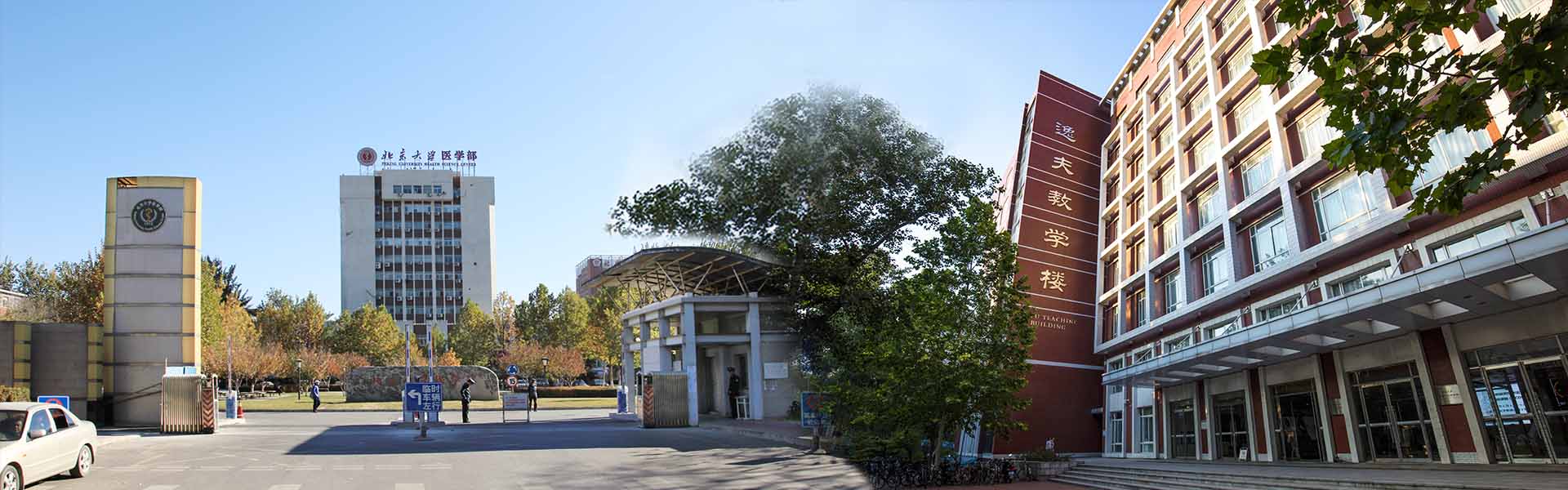
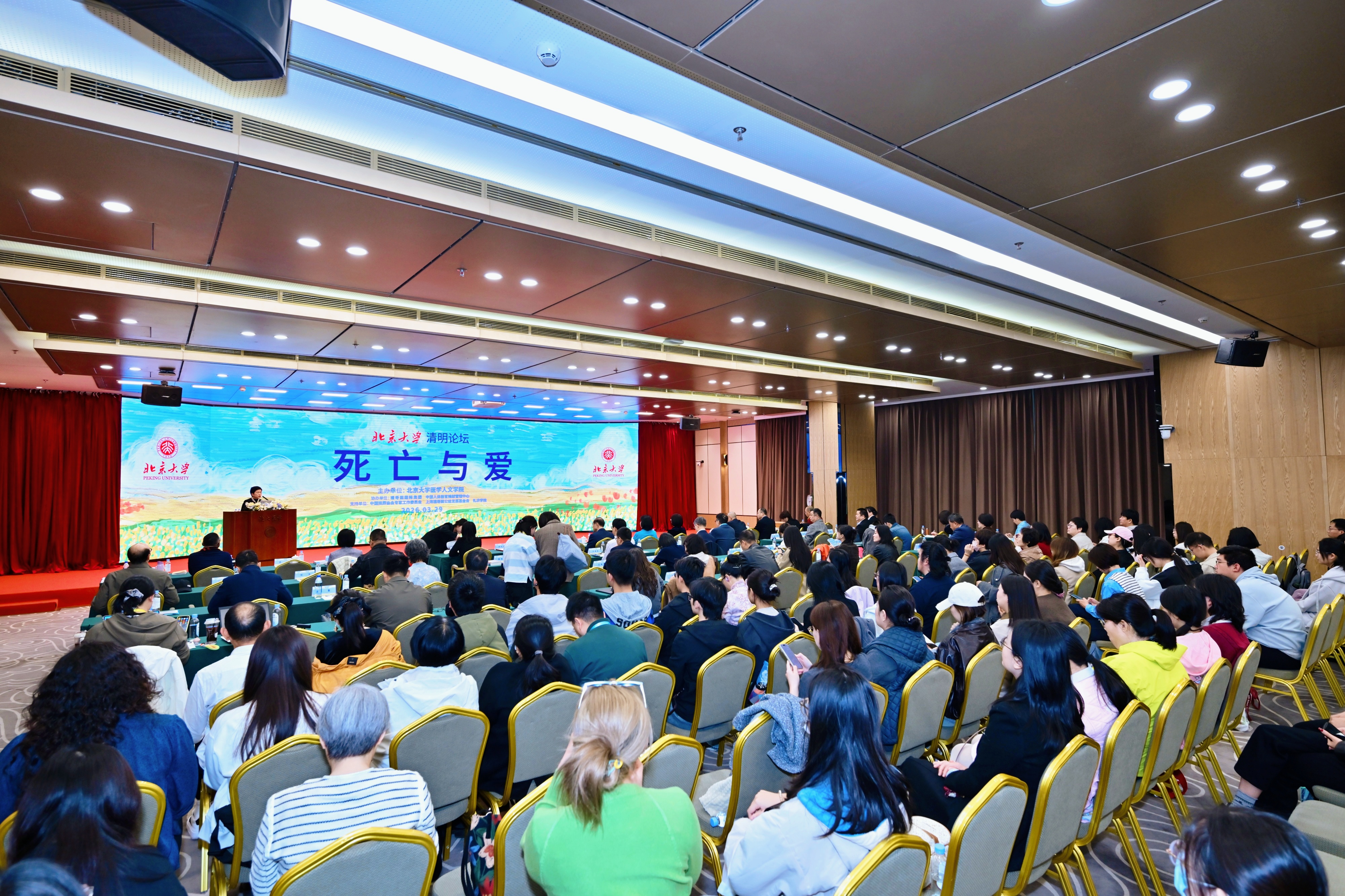
On March 29, the 8th Peking University Qingming Forum was successfully held at Peking University Health Science Center. Under the theme “Death and Love”, the forum aimed to convey the outlook on life and death that “Life is limited, but love is boundless; medicine has its limits, but great love knows no boundaries” through in-depth discussions on hospice care, organ donation, funeral rituals and other related topics. The forum was hosted by the School of Health Humanities, Peking University, co-organized by Fu Shou Yuan International Group and China Organ Donation Administrative Center, and supported by the Expert Committee of China Funeral Association, Shanghai Fu Shou Yuan Public Welfare Development Foundation and Li Ji Academy.
Distinguished leaders and representatives from relevant institutions attended the forum, including Han Qide, Vice Chairman of the 12th National Committee of the Chinese People's Political Consultative Conference (CPPCC) and Academician of the Chinese Academy of Sciences; Hou Fengzhong, Director of China Organ Donation Administrative Center; Tang Yida, Vice President of Peking University Health Science Center; Yang Zongtao, Leader of the 8th Transition Leadership Group of China Funeral Association; Guo Liping, Dean of the School of Health Humanities, Peking University; Gao Jing, Secretary of the Party Committee of the School of Health Humanities, Peking University; and Wu Yibo, Director of Culture and Education Committee of Fu Shou Yuan International Group.
Distinguished guests from various fields delivered speeches at the forum, including renowned writer Bi Shumin; Professor Jing Jun from the Department of Sociology, Tsinghua University; Professor Hu Yong from the School of Journalism and Communication, Peking University; Zhao Yue, Vice Chairman of Beijing Donghui Public Welfare Foundation; Professor Cheng Yu from Sun Yat-sen University; Huang Xuan, actor and initiator of Sanshi Liudu Charity Fund; art critic Wu Yanni; Shu Jing, Vice President of Zhejiang Xin'an International Hospital; Gu Yang, Life Education Promoter of Fu Shou Yuan International Group; Wang Haitao, Hangzhou Moral Model and organ transplant recipient; and Zhang Dingyu, People's Hero and President of Hubei Medical Doctor Association. The guests shared insights from disciplinary theories, life stories, professional experiences and personal reflections to explore how love responds when death comes.
Nearly 300 people including teachers, students, practitioners from relevant fields and the public registered online attended the main venue. An additional 200,000 viewers watched the live broadcast and related videos of the forum online.
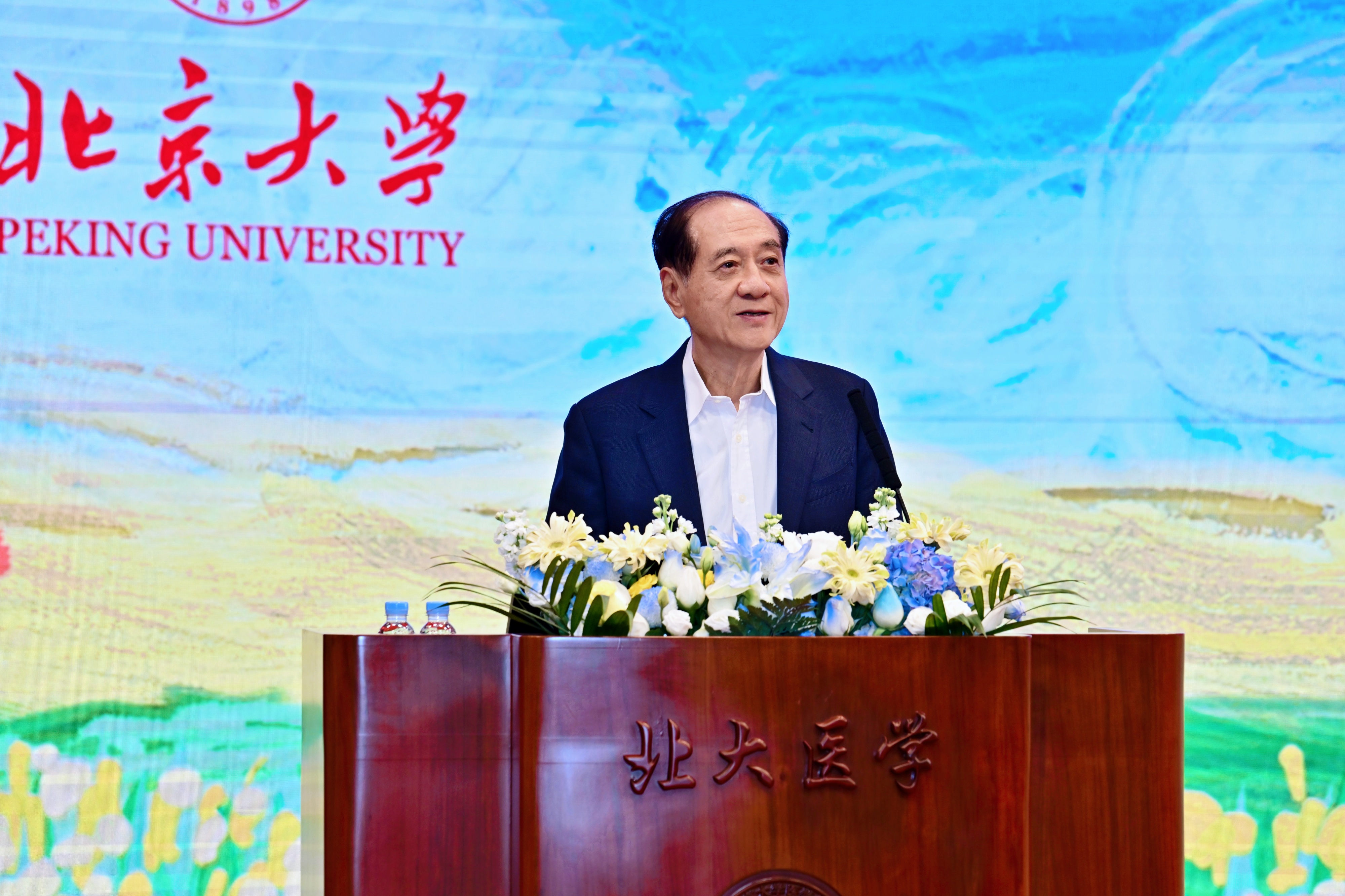
In his keynote speech, Han Qide, Vice Chairman of the 12th National Committee of the CPPCC and Academician of the Chinese Academy of Sciences, said that the Peking University Qingming Forum has been held since 2018, marking its 8th edition this year. He emphasized that the theme “Death and Love” is highly meaningful: with love, death can be colorful, beautiful, warm and dignified; conversely, death makes people cherish and appreciate love more deeply. The love and memory for the departed will forever linger in our hearts and even grow stronger over time.
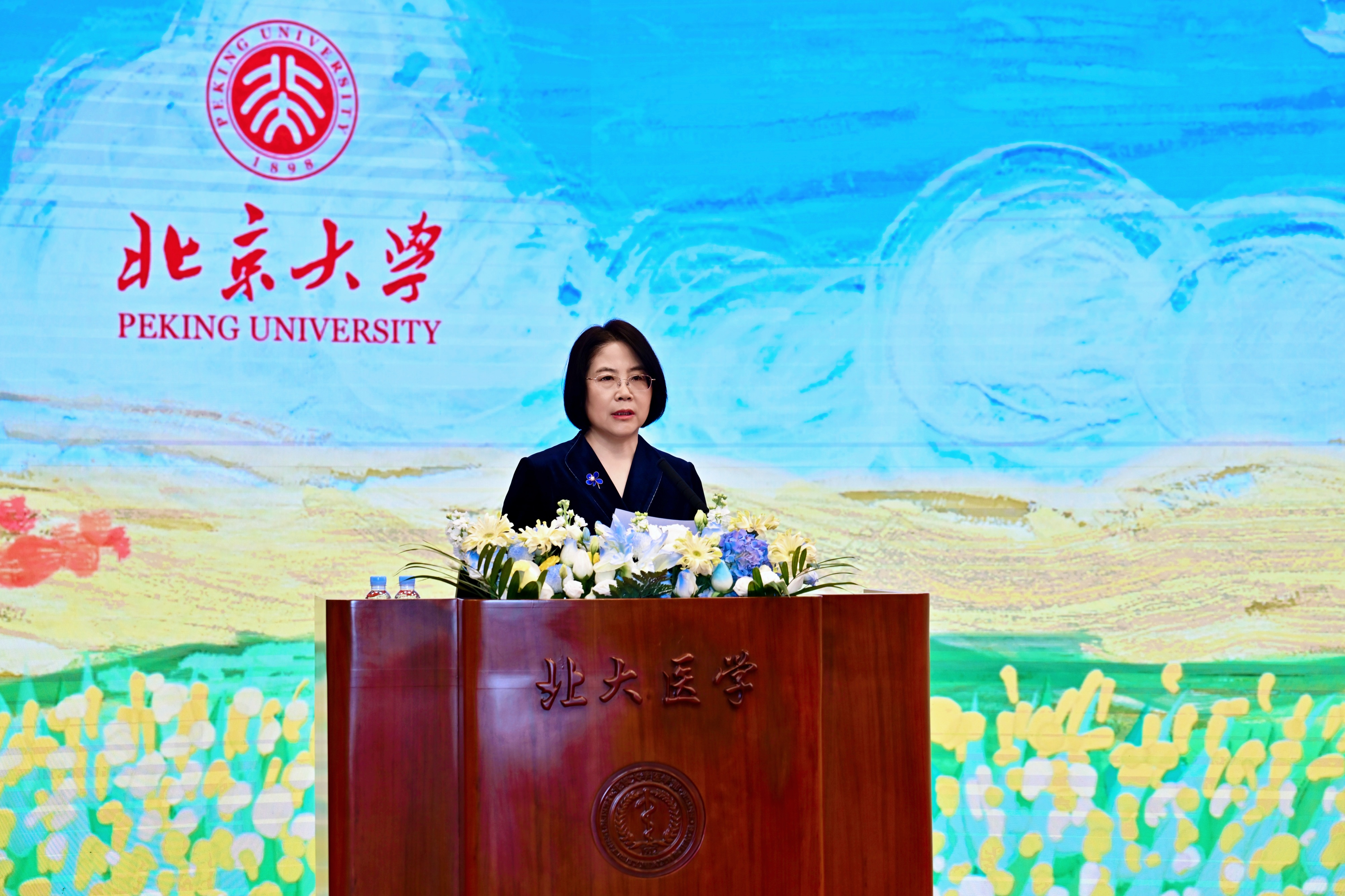
Guo Liping, Dean of the School of Health Humanities, Peking University, and Tang Yida, Vice President of Peking University Health Science Center, delivered welcome speeches respectively.
Guo Liping stated that initiated by Academician Han Qide in 2018, the Qingming Forum has always stayed true to its original aspiration of promoting the value of life and advancing life-and-death education, exerting a profound influence on public life-and-death education in China in recent years. She elaborated on the relationship between death and love from three dimensions: organ donors show how love continues through dedication, as they give the gift of life; traditional funeral rituals alleviate the fear of death and sustain life through family bonds; and hospice care enables people to bid farewell peacefully, surrounded by love.
Drawing on his clinical experience as a cardiologist, Tang Yida pointed out that beyond medical technology, medical practice should see the patient—see the human being, not just the disease. He called for strengthening life-and-death education in medical education to let love transcend the boundary between life and death. He expressed his hope that the forum will continue to be held, providing a platform for people to discuss life and death from diverse perspectives at Peking University. He also expected participants to uphold the dignity of life with professionalism and soothe the pain of farewell with humanistic warmth, contributing to the quality of a gooddeath and peaceful life-and-death arrangement for the Chinese people.
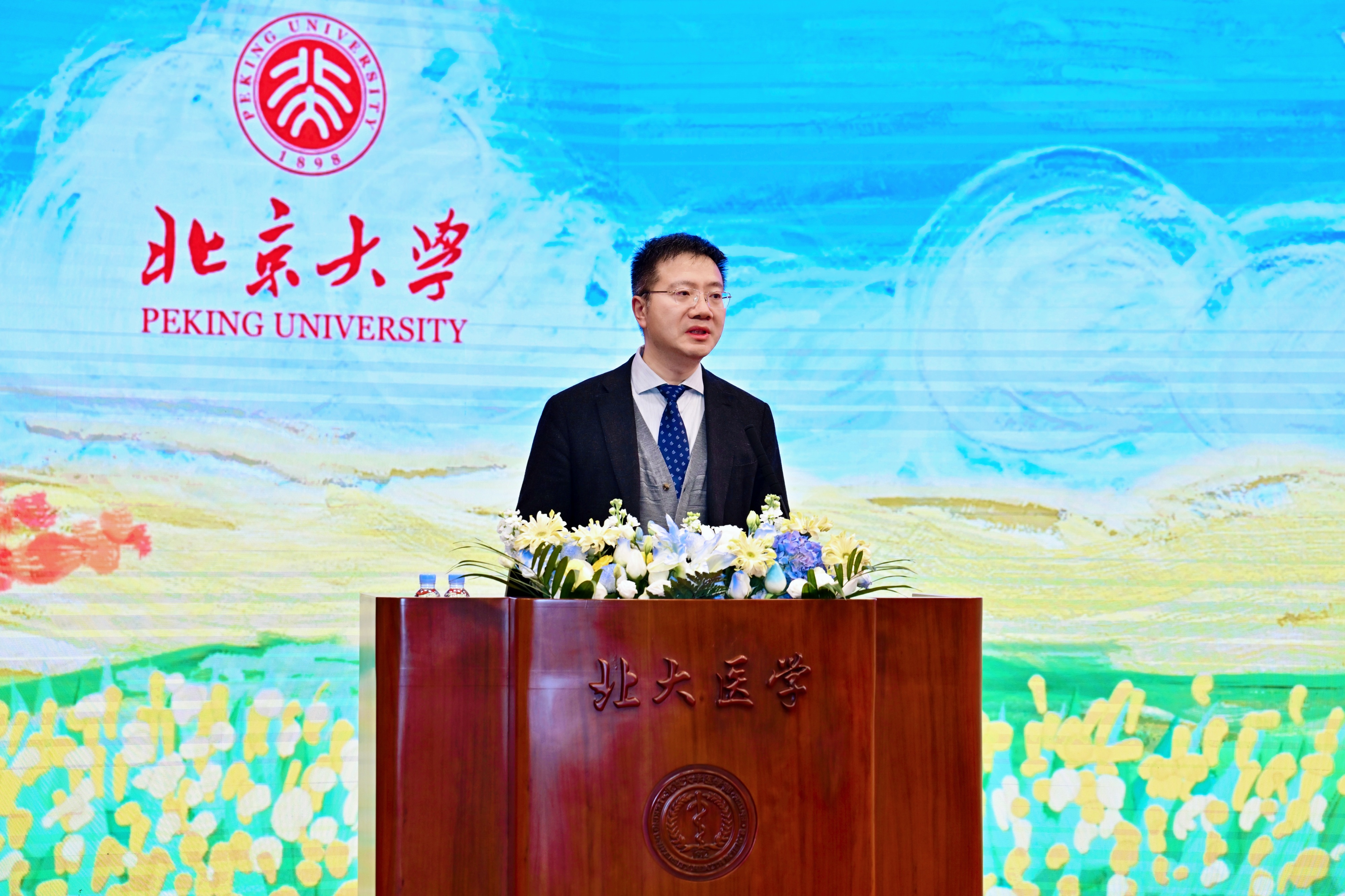
Love: The Eternal Kunlun
In the main forum session, Bi Shumin who published her latest full-length novel The Kunlun Promise in March 2025, delivered a speech titled “Love: The Eternal Kunlun”. She shared that the Kunlun Mountains — a revered totem of the Chinese nation — were where she first came to understand what “love and death” meant. This love, she explained, encompasses love for one's faith, one's country, one's people, one's family, and one's romantic partner.. Such love is firmer and more eternal than the sudden, unexpected and overwhelming death that people face every day.
Jing Jun, Professor from the Department of Sociology, Tsinghua University, delivered a speech titled “Reverse Care in the AI Era”. He defined reverse care as the care that dying people still offer to others and the world in their final moments. Based on a qualitative analysis of more than 100 Chinese life-and-death narratives and core coding with 83 reference points using software tools, he constructed four scenarios of reverse care: caring for family members, medical staff, fellow patients and society. The study found that dying patients are not passive recipients of care in hospice care; they can also give love, and such “reverse care” reflects the integration of self-interest and altruism in Chinese culture.
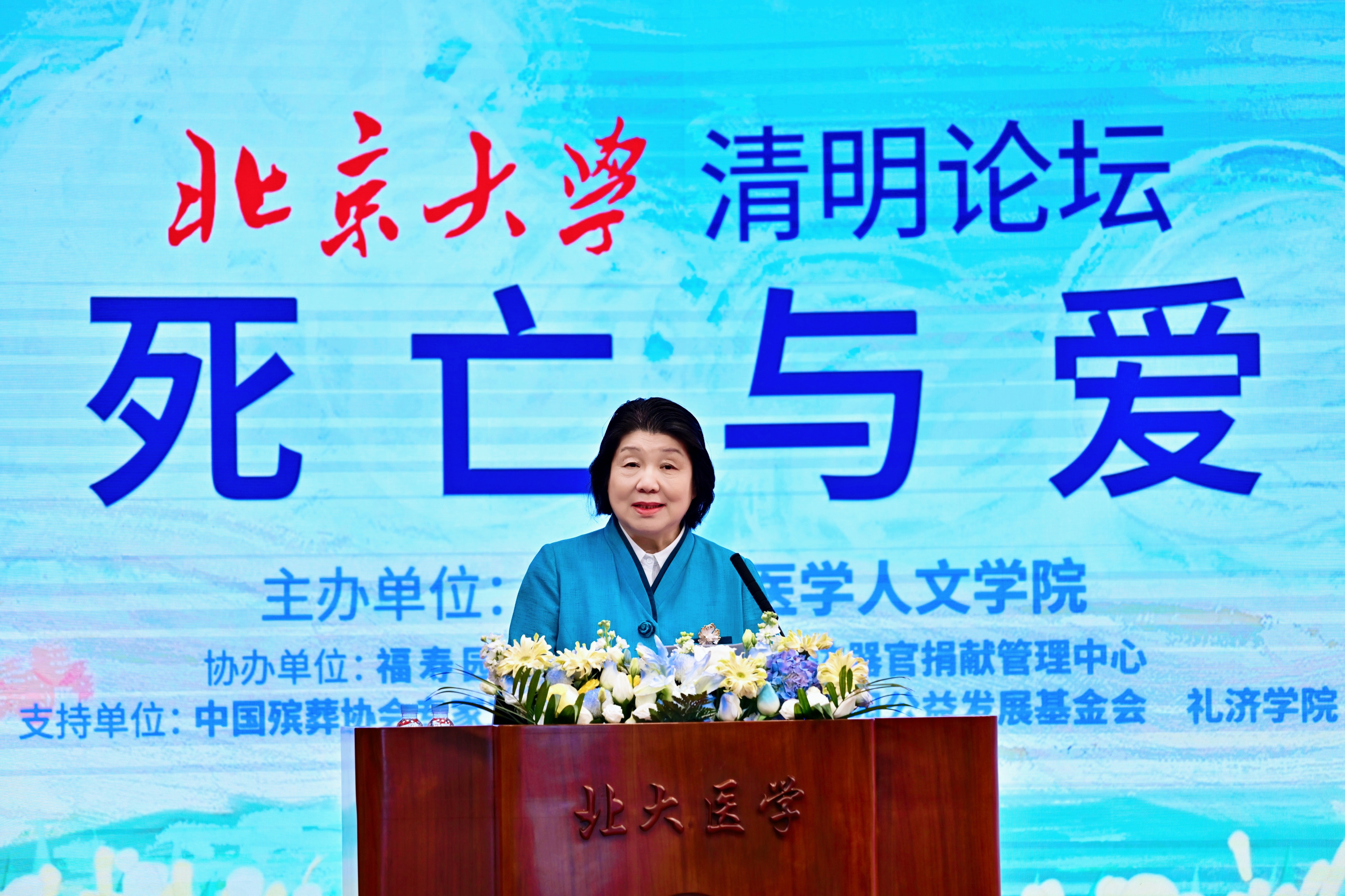
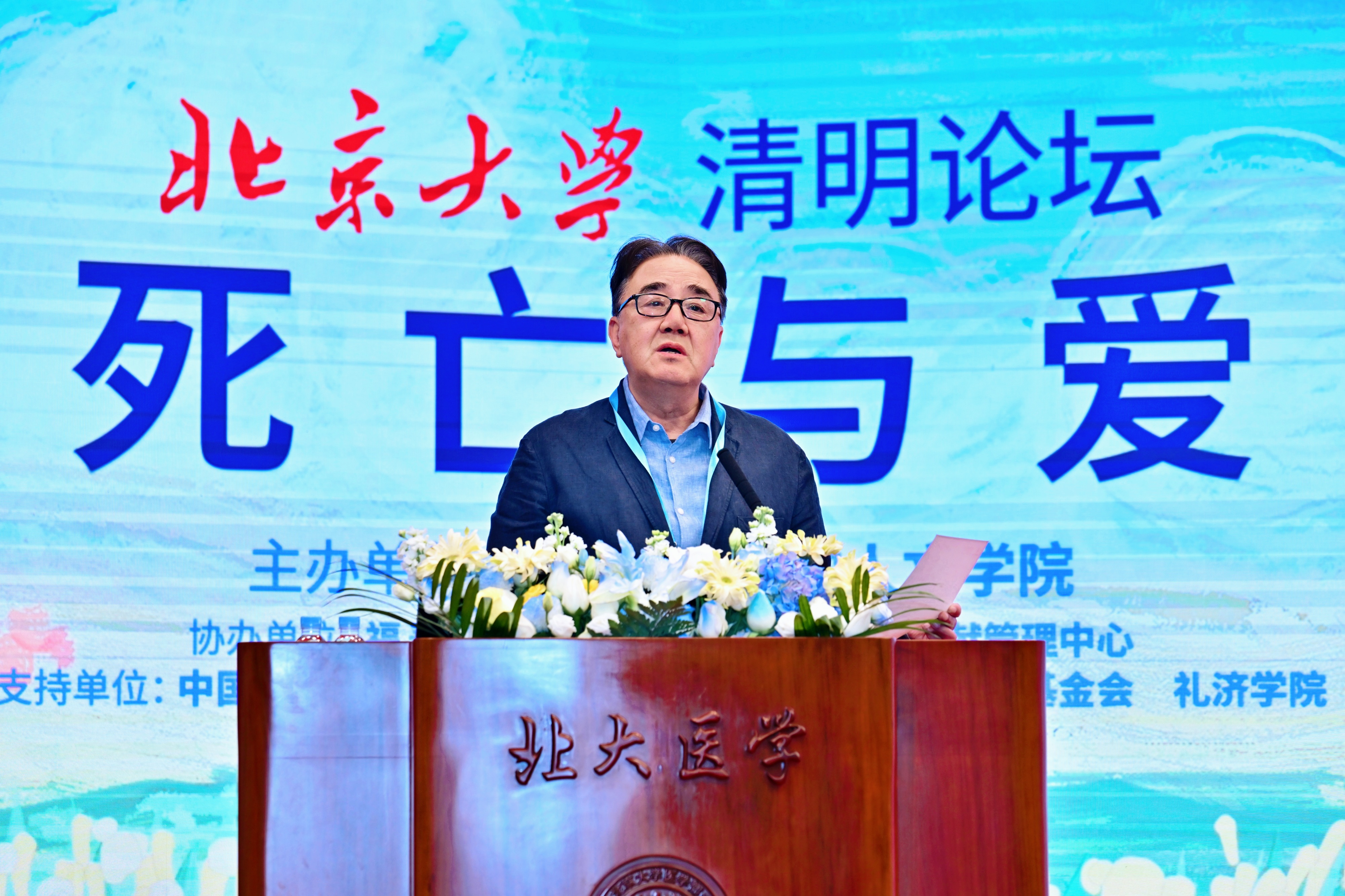
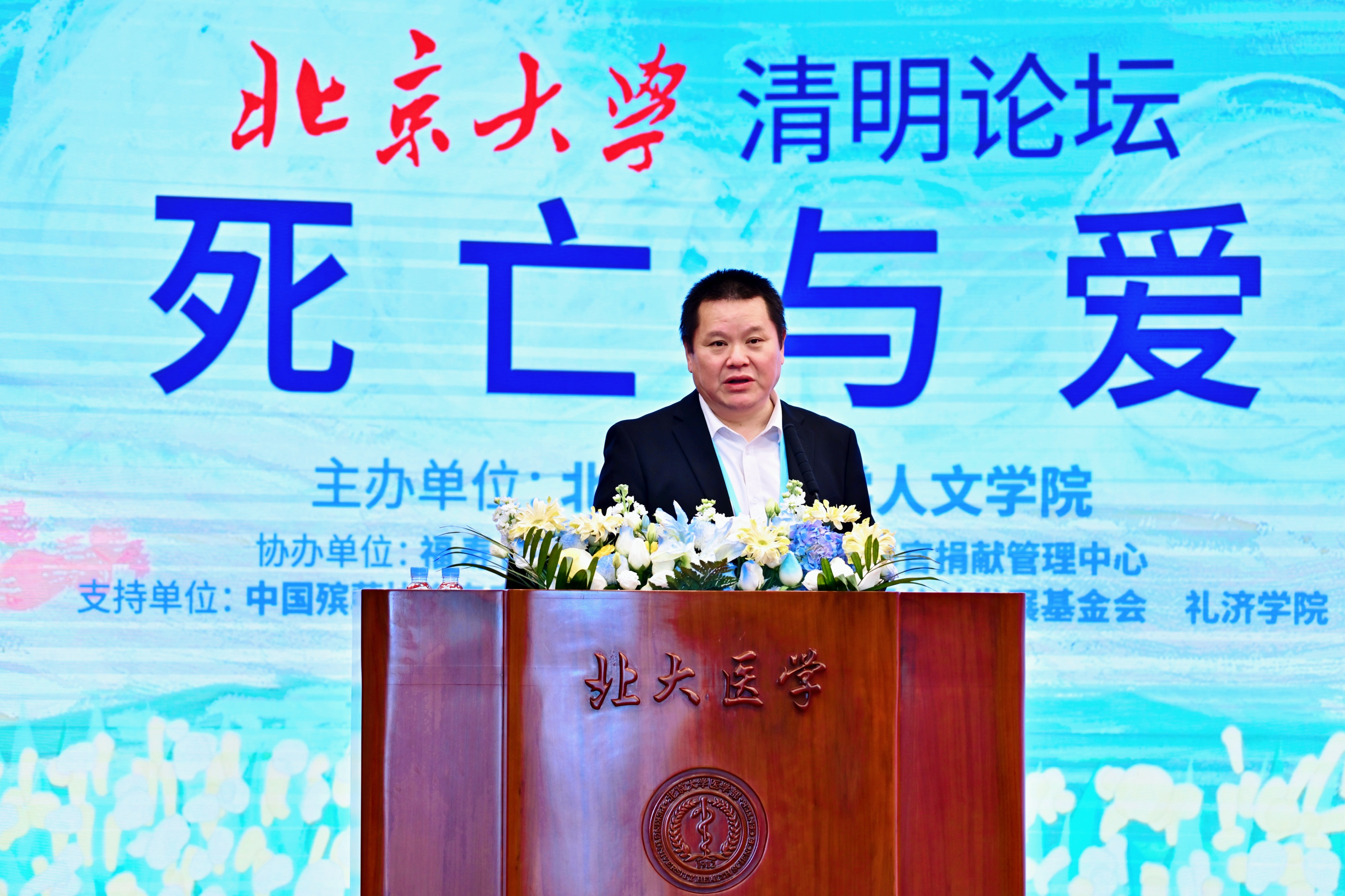
Hu Yong, Professor from the School of Journalism and Communication, Peking University, delivered a speech titled “The Finitude of Death and the Infinity of Love”. He proposed that in the fate of living toward death, people construct a complete personal world full of existential meaning through their deepest affection—love. Death is the ultimate destination, while love is the pillar of life. “Precisely because we are mortal, love must take place now.”
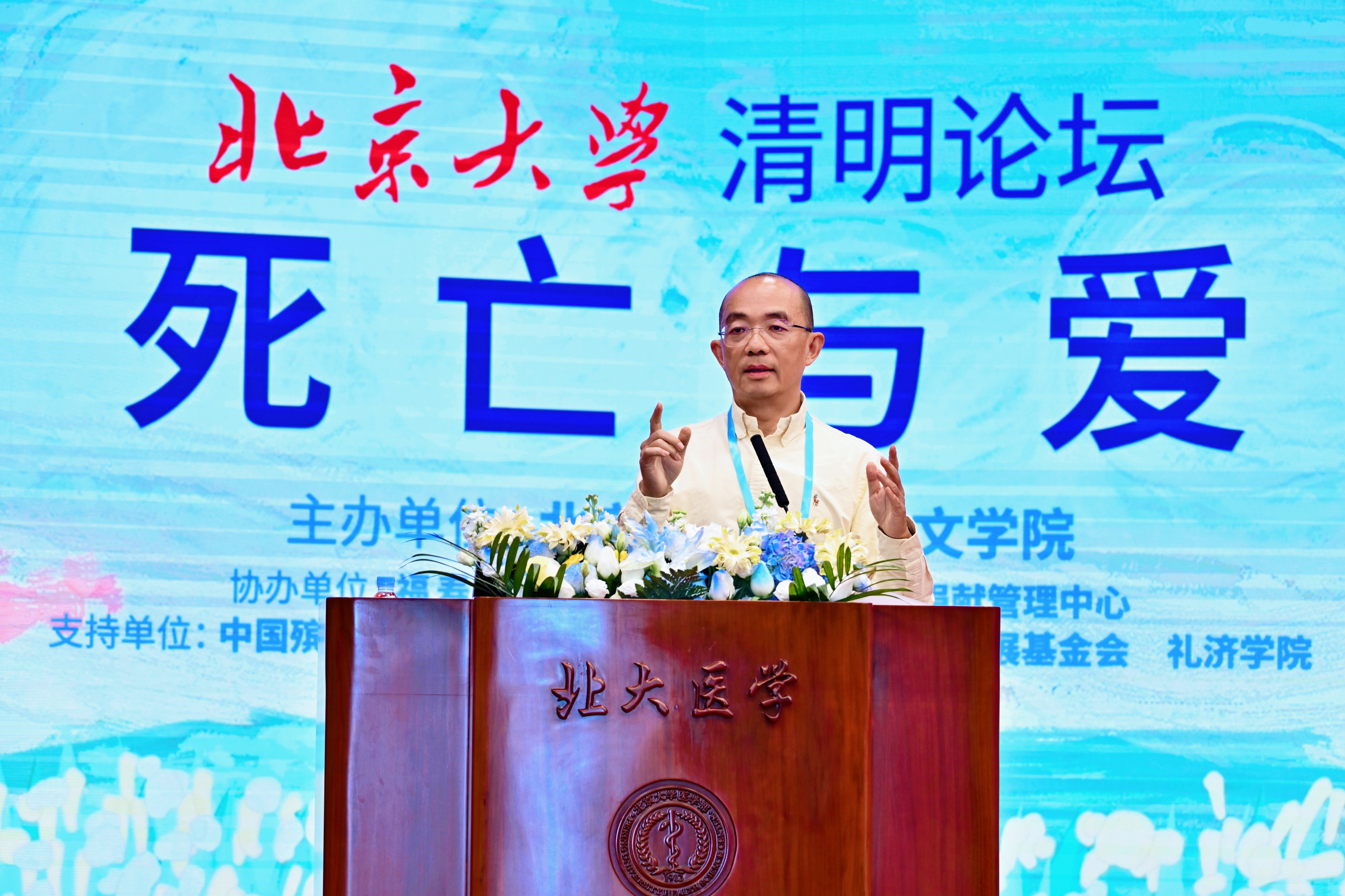
Zhao Yue, Vice Chairman of Beijing Donghui Public Welfare Foundation, cited the 2024 Research Report on the Quality of a Dignified Death among Chinese Residents, pointing out that a dignified death and high-quality end-of-life experience are not only a reflection of medical technology but also of humanistic care and love. He also mentioned a Lancet study on near-death experiences, noting that memories of interpersonal relationships (family, romantic and friendship bonds) account for 75% of life reviews in some cases.
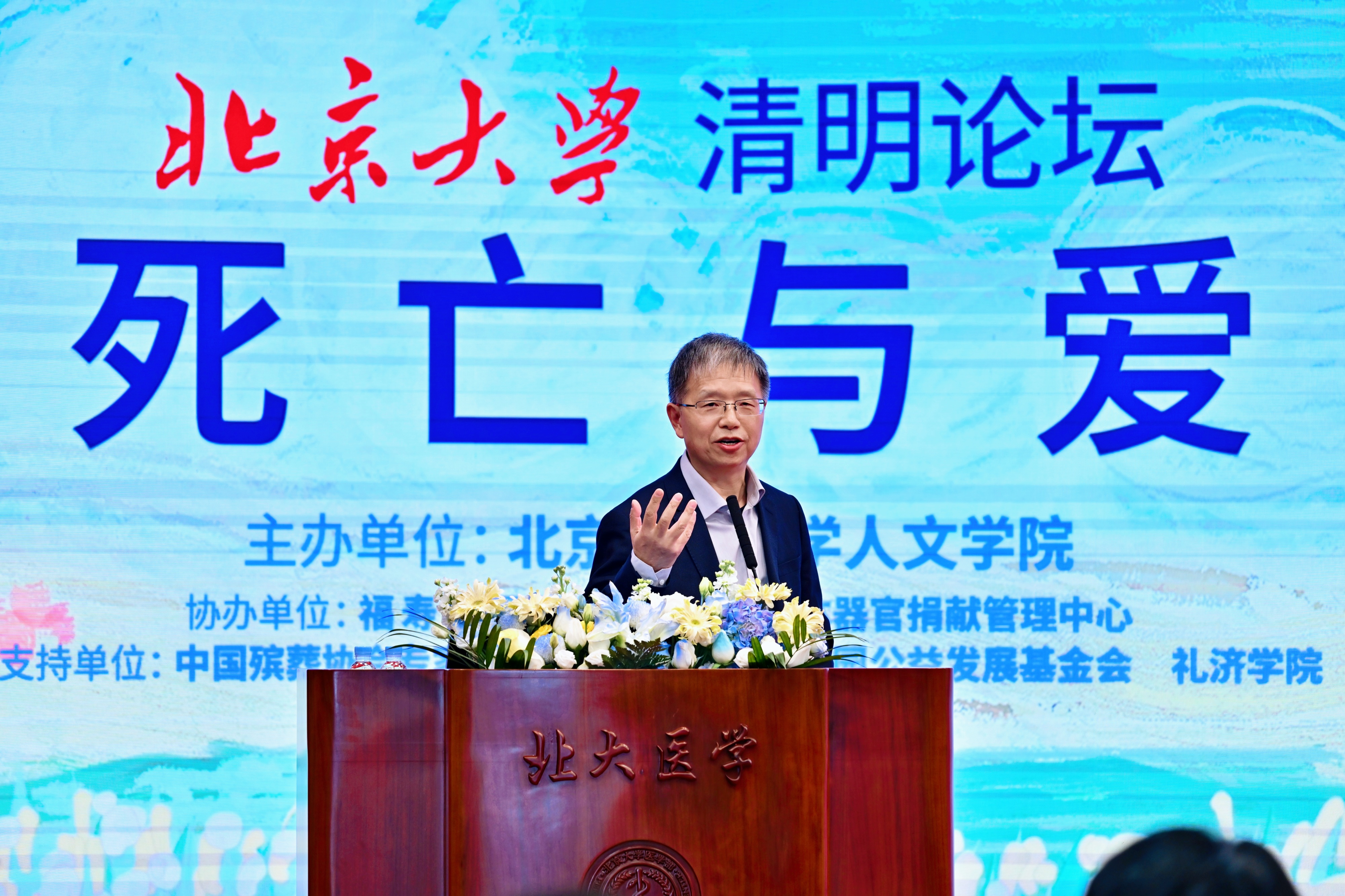
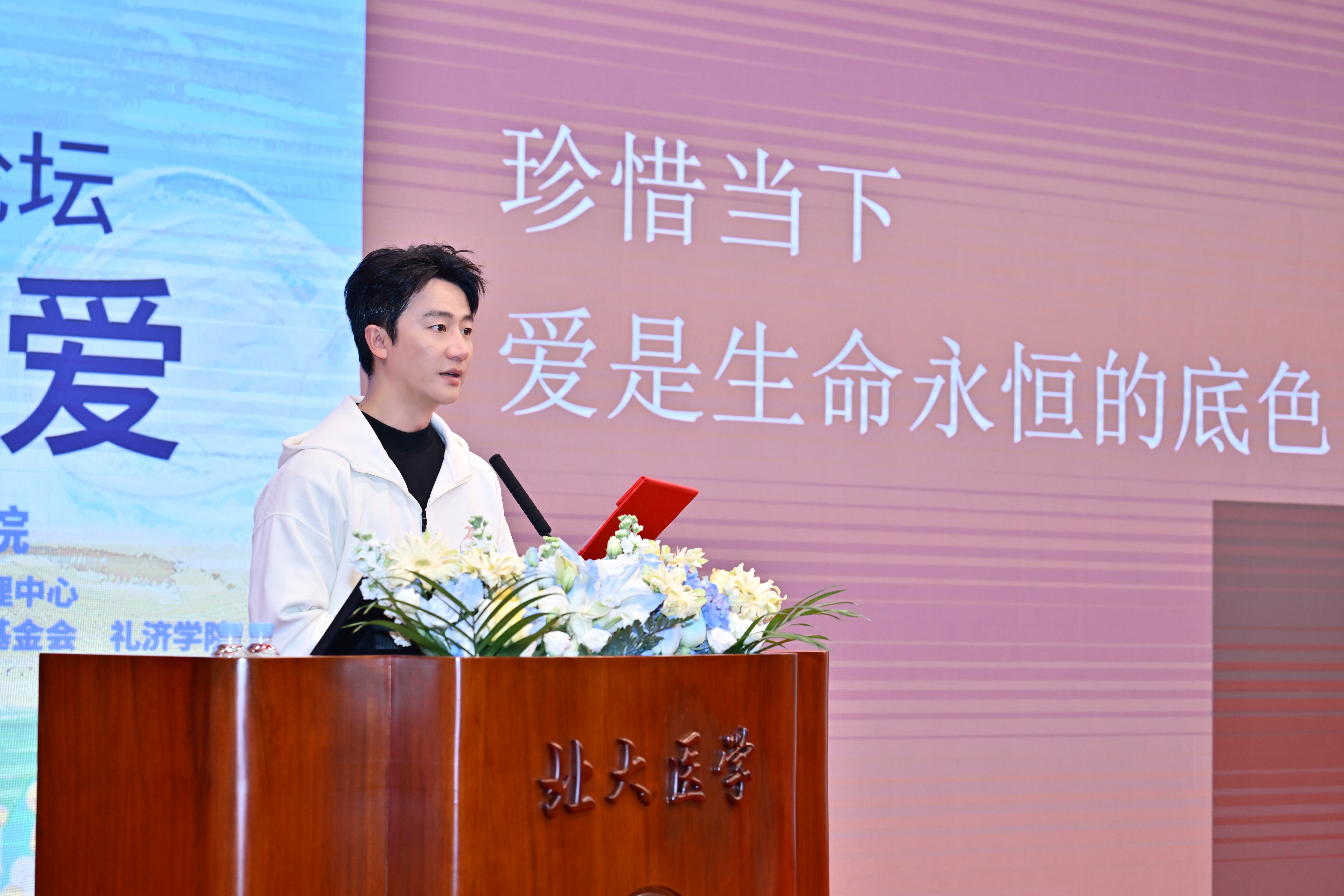
Love: The Eternal Foundation of Life
Cheng Yu, Professor from Sun Yat-sen University, delivered a speech titled “Care as Social Great Love”, proposing the construction of inclusive hospice care from reciprocal to universal benefits. He introduced that hospice care provides comprehensive physical, psychological, spiritual and humanistic care for patients with terminal illnesses, with the core goal of improving end-of-life quality and helping patients pass away comfortably, peacefully and with dignity.
Huang Xuan, actor and initiator of Sanshi Liudu Charity Fund, delivered a speech titled “Cherish the Present, Love Is the Eternal Foundation of Life”. He introduced the founding vision of Sanshi Liudu Charity Fund and its public welfare practices in five dimensions: medical social work support, volunteer recruitment, talent empowerment, children's life care, and warm venue renovation. Focusing on delicate children's life care, the fund provides financial support for hospice and palliative care and wish fulfillment for children with terminal illnesses, and has completed the renovation of the first mortuary in China at Children's Hospital of Fudan University to make farewells more dignified and warm. Huang Xuan emphasized that advocating hospice care is not giving up, but striking a balance between love and quality of life. Facing death squarely, cherishing the present and making love the eternal foundation of life is the true meaning.
Wu Yanni, member of the Chinese Writers Association and art critic, delivered a speech titled “Art Links the Dimensions of Life and Death”. She noted that the German philosopher Martin Heidegger stressed “being-towards-death”, and art is the visual expression of this philosophy. Art can also serve as a tool to heal the trauma of life and death, with social applications including art therapy and hospice care, transformation from physical farewell to spiritual inheritance, and various forms of art healing.
Shu Jing, Vice President of Zhejiang Xin'an International Hospital, shared the story of an 11-year-old girl An'an suffering from illness, describing her life, thoughts, dreams and wishes to illustrate the condensation of love in death narratives. She also raised the professional question for ICU doctors: what kind of life is “meaningful”? How much medical cost should be spent to delay death?
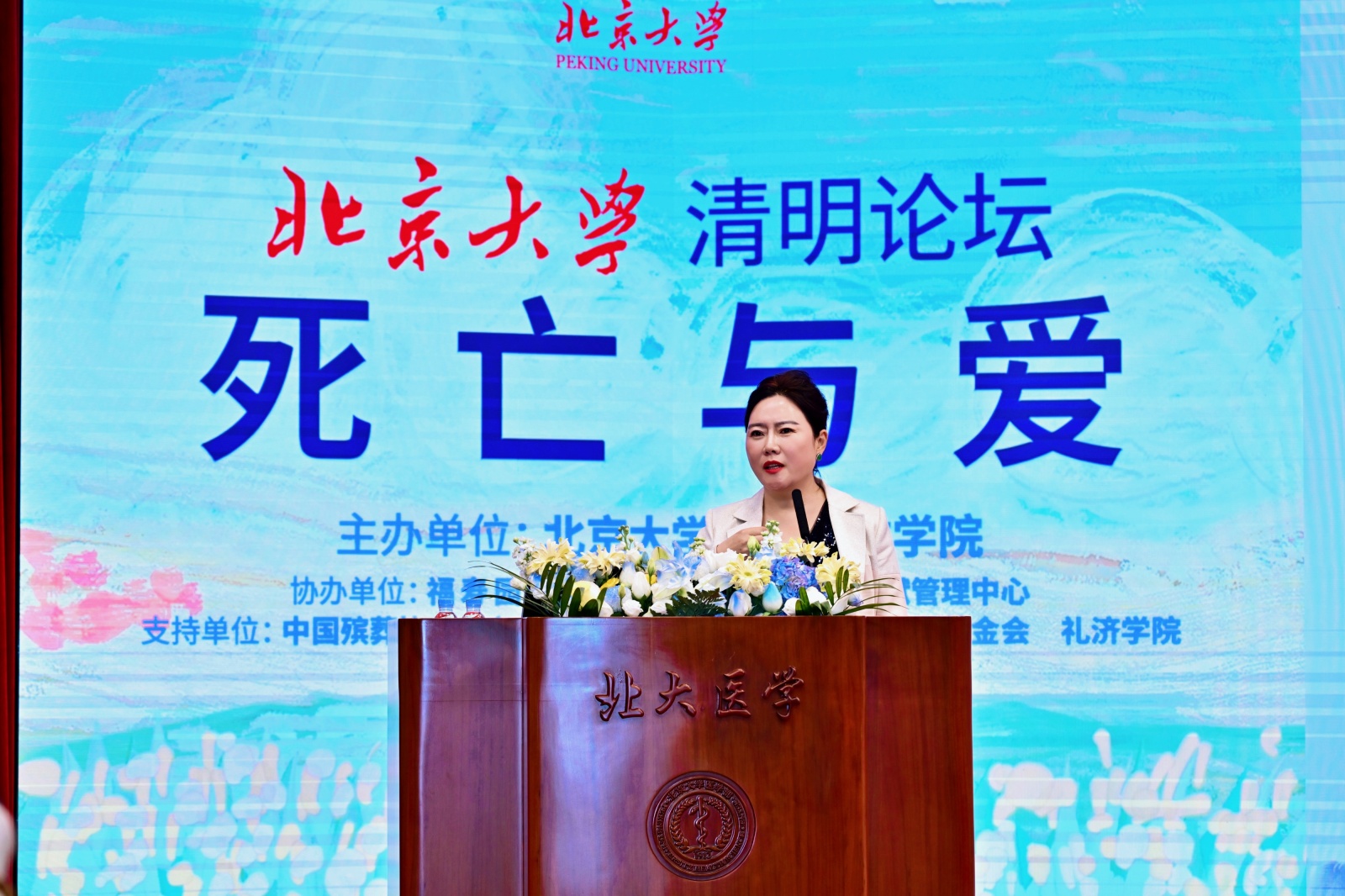
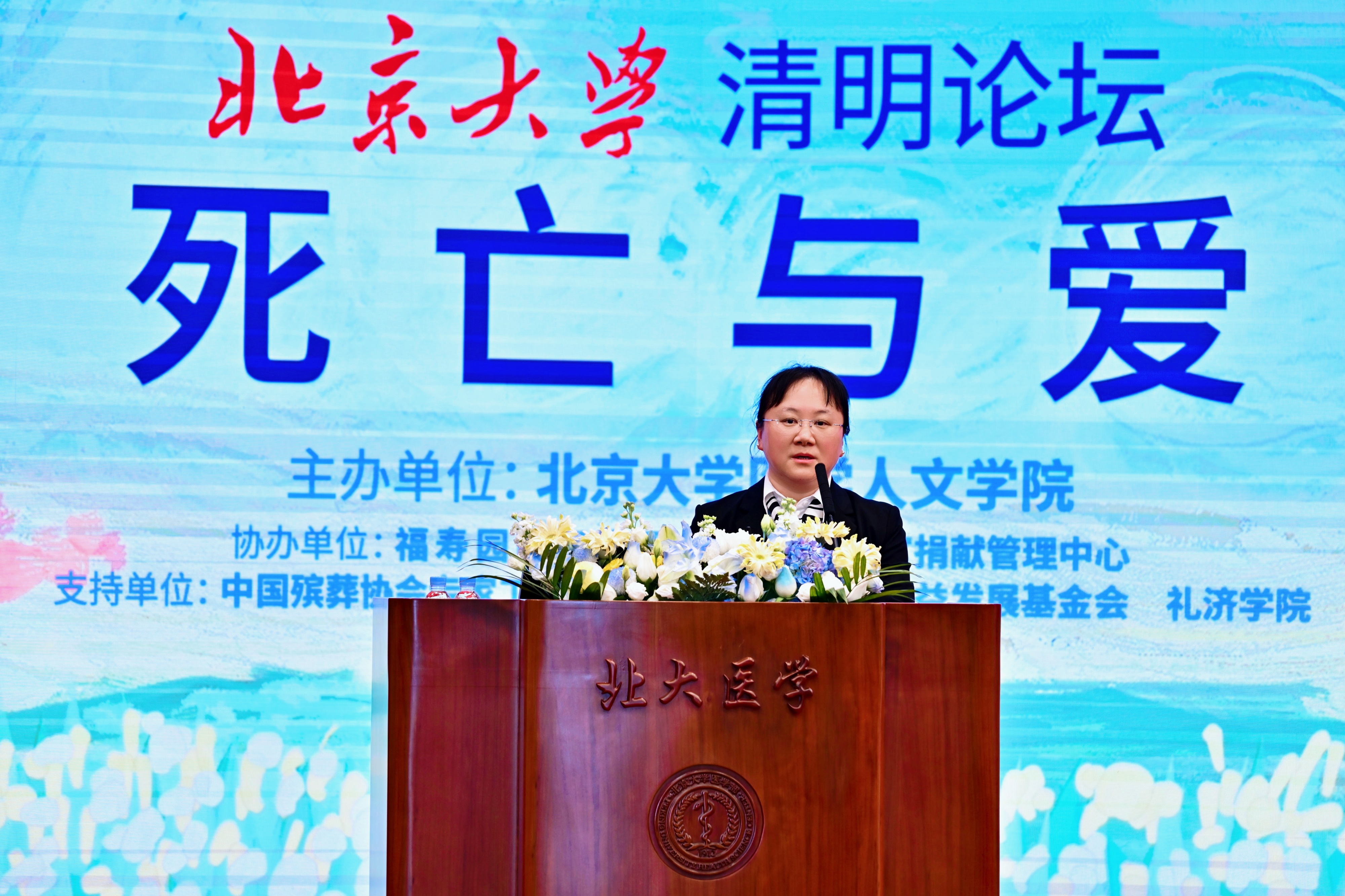
Love and Care Behind Farewell
Gu Yang, Life Education Promoter of Fu Shou Yuan International Group, shared her interviews with three ritual planners at Chongqing Anle Life Memorial Hall. Through the farewell ceremonies they designed and took part in, she proposed that modern funeral narration have transformed how practitioners see their own identity. She introduced that Fu Shou Yuan's life services go beyond “posthumous affairs” and run through humanistic care for the whole life cycle, including hospice care, grief counseling, dignified death guidance and life education.
Wang Haitao, Hangzhou Moral Model and organ transplant recipient, shared his personal experience: in 2015, he suffered from acute liver failure and was rushed to hospital, and a liver donation from a stranger saved his life. From a “recipient” to a “giver”, he has actively participated in public welfare. The Jasmine Public Welfare Fund he founded has assisted disadvantaged families in 21 provinces across China.
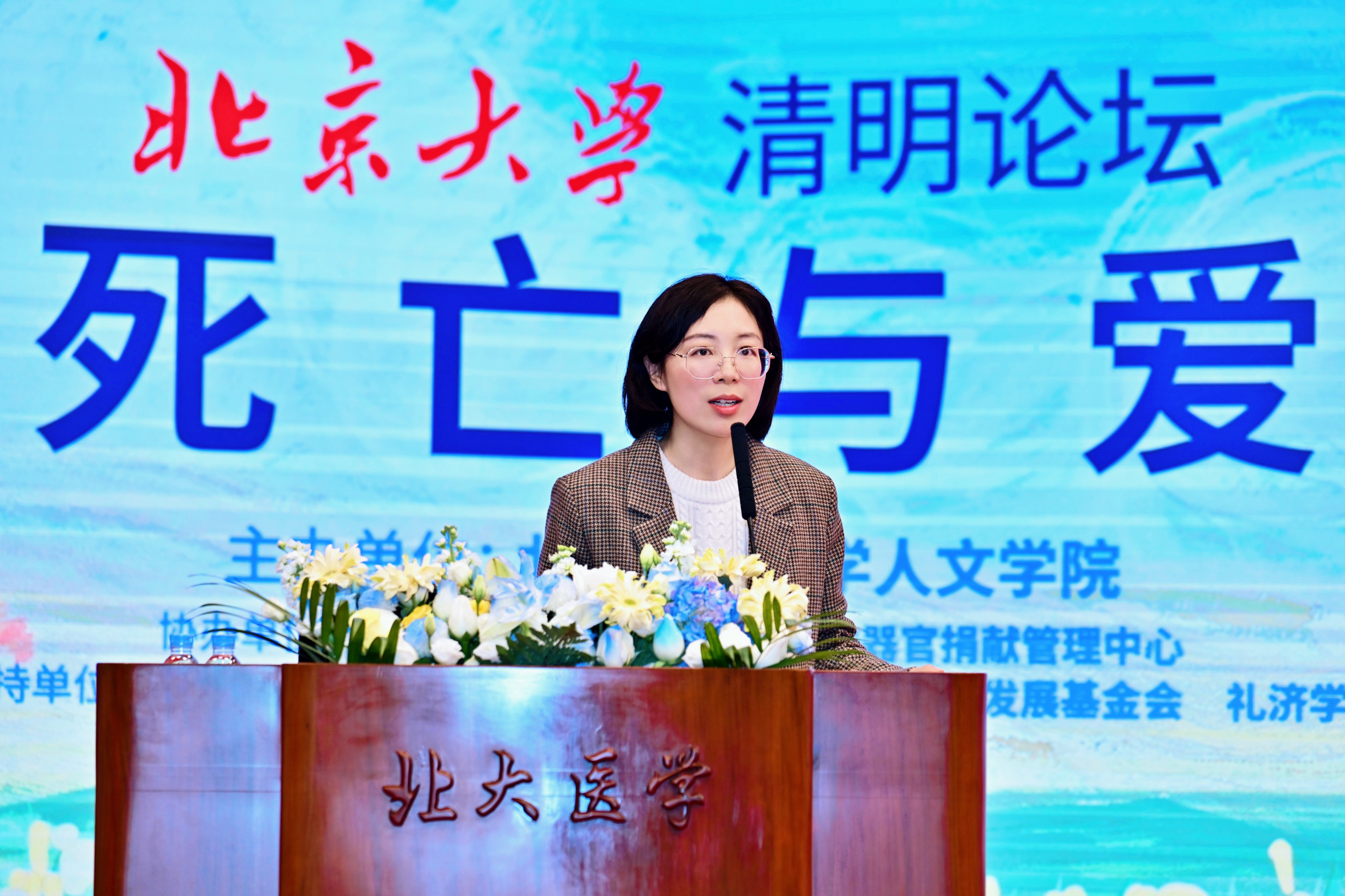
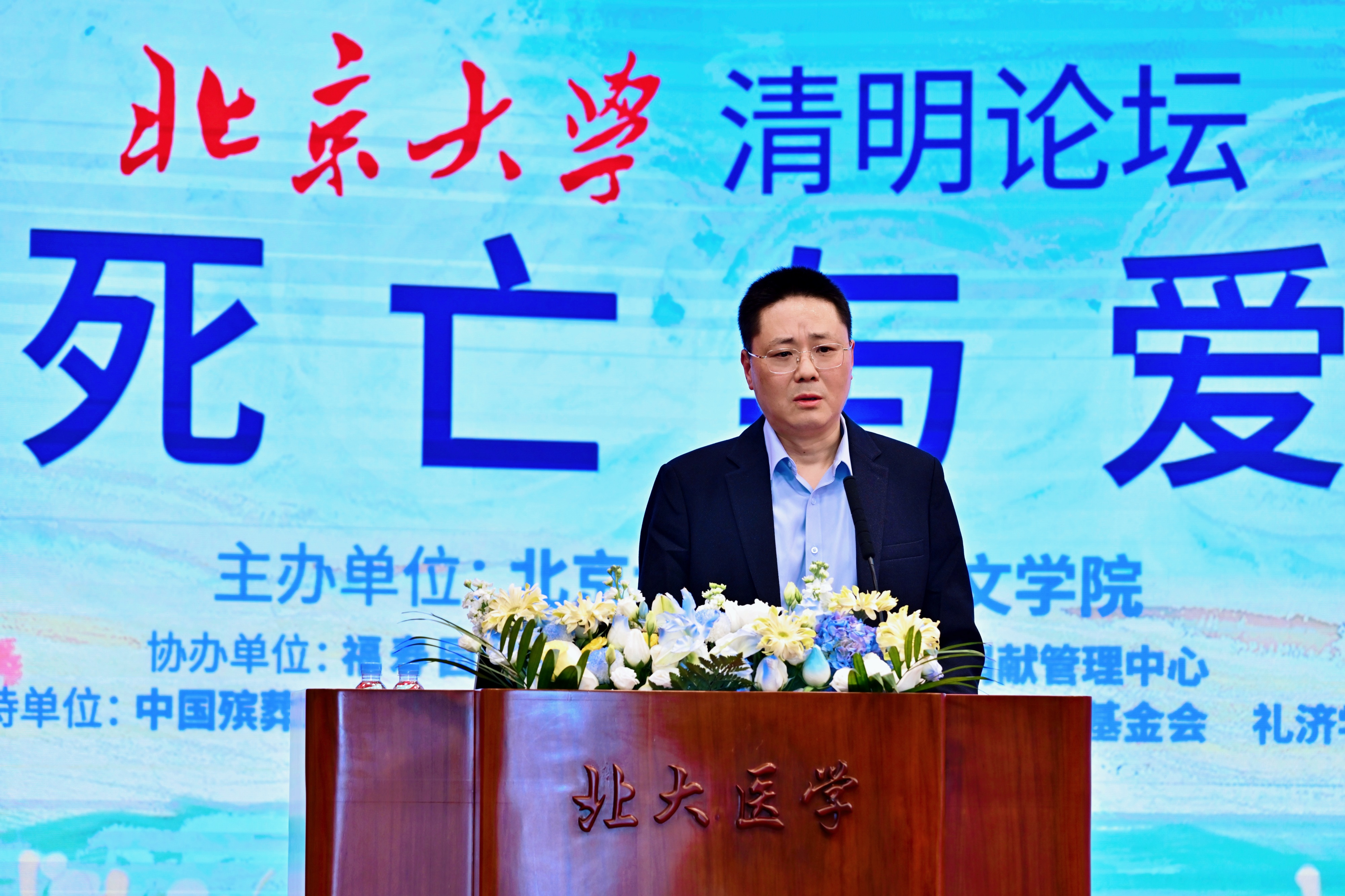
Zhang Dingyu, People's Hero and President of Hubei Medical Doctor Association, also shared his story. The passing of his relatives led him to pursue a medical career, hoping to prevent more families from suffering the same tragedy. Diagnosed with Amyotrophic Lateral Sclerosis (ALS) in 2018, he chose to face it calmly after a short period of discouragement and made important contributions to the autopsy work during the COVID-19 pandemic. He remarked that death can end life, but it can never end love.
Hou Fengzhong, Director of China Organ Donation Administrative Center, introduced the social achievements of China's organ donation work since 2010: first, the fundamental transformation of organ sources has been realized, with citizen donation becoming the only legal source, and China ranking second in the world in the number of organ donations; second, more than 200,000 lives have been saved, more than 100,000 patients have regained their sight, and medical teaching and scientific research have been supported; third, the concept and knowledge of donation have been promoted, with millions of people registering as organ donors, fostering a social ethos of great love and dedication.
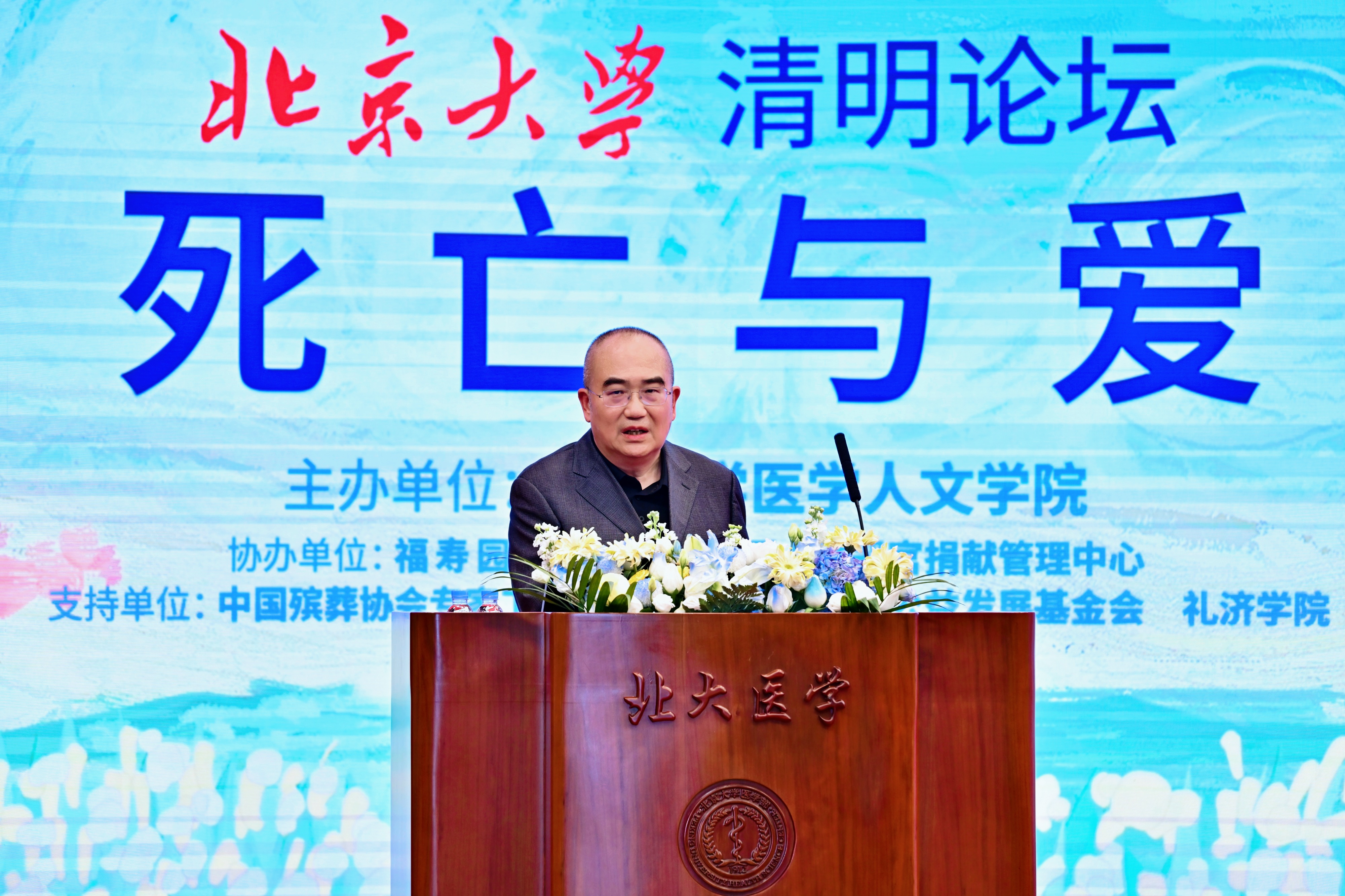
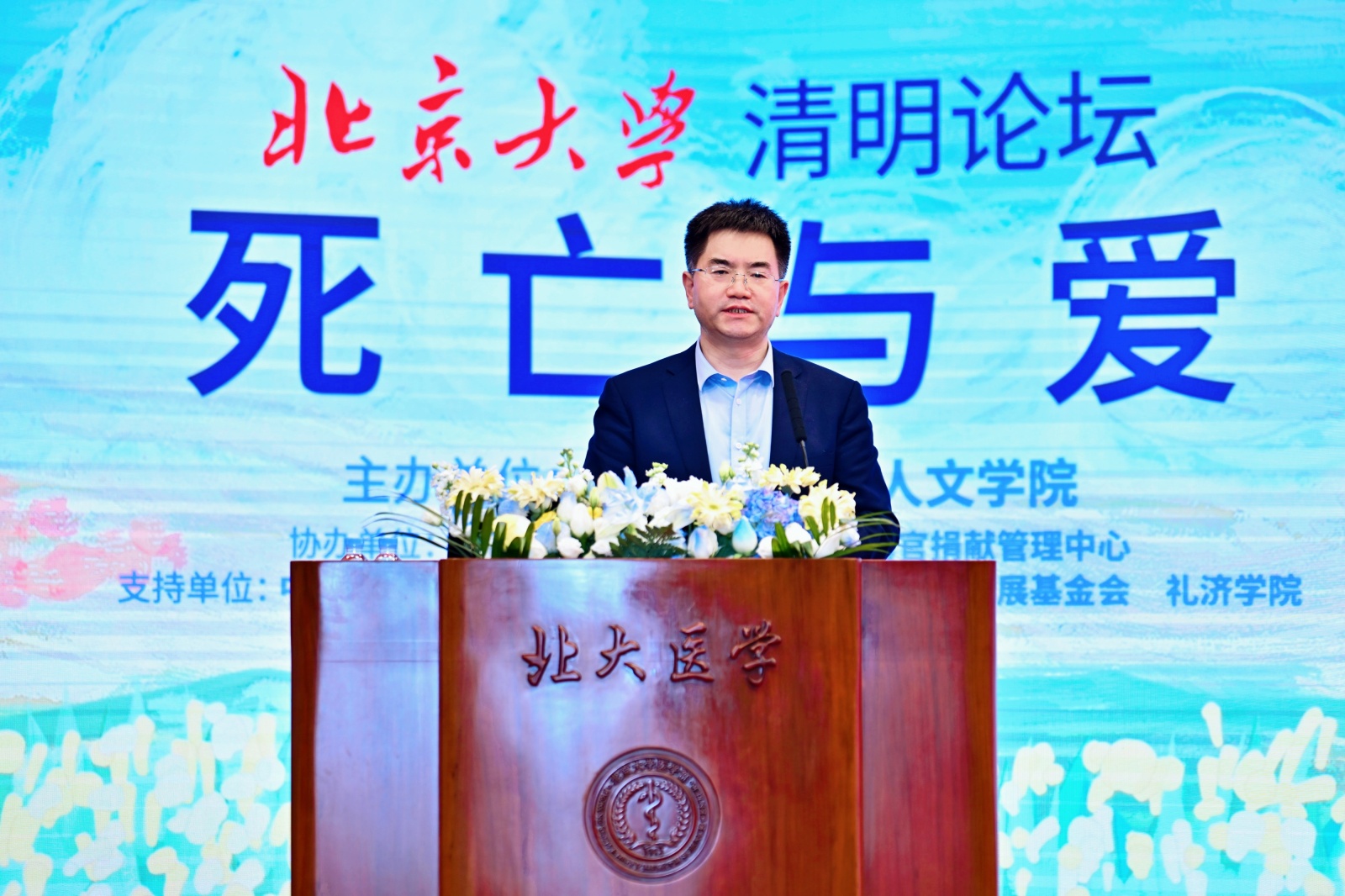
Finally, Yang Zongtao, Leader of the 8th Transition Leadership Group of China Funeral Association, announced the 2026 Peking University Qingming Forum Consensus reached at the forum. The Consensus states that “Hospice care perfects life, organ donation continues life in great love, and funeral rituals sustain love endlessly. Cherishing life, bidding farewell tenderly, and moving in cycles—humanity will surely uphold the ultimate dignity of life with the great power of love.”
About Peking University Qingming Forum
Peking University Qingming Forum is a public and academic life culture discussion platform focusing on life, aging, death and remembrance, which has won widespread social attention and praise. Taking the special occasion of the Qingming Festival, the forum discusses topics such as death counseling, death care, medical-funeral integration, death aesthetics, dignity of death and more. It aims to break taboos around death, enrich the spiritual world of the Chinese people, and achieve “peace and comfort for both the living and the deceased”.
The forum has gathered a group of accomplished experts, scholars and media professionals, including Han Qide, Vice Chairman of the 12th National Committee of the CPPCC and Academician of the Chinese Academy of Sciences; Zhou Hanmin, Standing Committee Member of the 14th National Committee of the CPPCC and former Vice Chairman of the Central Committee of China National Democratic Construction Association; Zhou Cheng and Guo Liping, former and current Deans of the School of Health Humanities, Peking University; Ge Jianxiong, Senior Professor at Fudan University and renowned scholar; Luo Diandian, Director-General of Beijing Living Will Promotion Association; Ling Feng, Member of the National Committee of the Chinese People's Political Consultative Conference and renowned expert from Capital Medical University; Gu Jin, President of Peking University Shougang Hospital; Wang Yifang, Wang Yue, Cong Yali, professors from the School of Health Humanities, Peking University; Lu Jiehua, Professor from the Department of Sociology, Peking University; CCTV hosts Jing Yidan and Bai Yansong; Fan Deng, founder of Fanshu APP; Ye Tan, financial commentator; Jia Hangjia, Editor-in-Chief of Dedao APP; Hong Kong film director Chen Maoxian; and Fan Shiguang, director of the documentary Once Upon A Life. They deeply explore the respect for life and care for death from the perspective of humanistic care, aiming to provide new concepts and guidance for life education and death care in contemporary Chinese society.
Up to now, the forum has been successfully held for 8 sessions, with nearly 3,000 on-site participants and over 800,000 online viewers. With the continuous support of all sectors of society, Peking University Qingming Forum will further promote cross-border, cross-regional and interdisciplinary exchanges and explorations in the future.
