
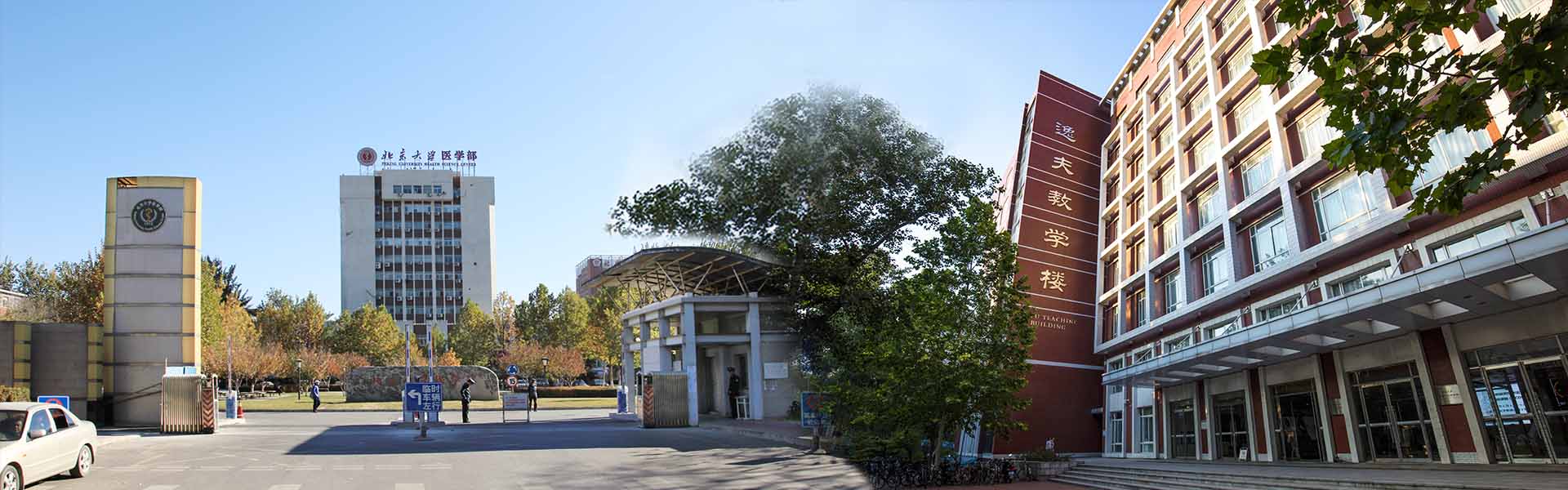
Symposium on Integration, Innovation, and Disciplinary Development of PKU Medical Humanities Held
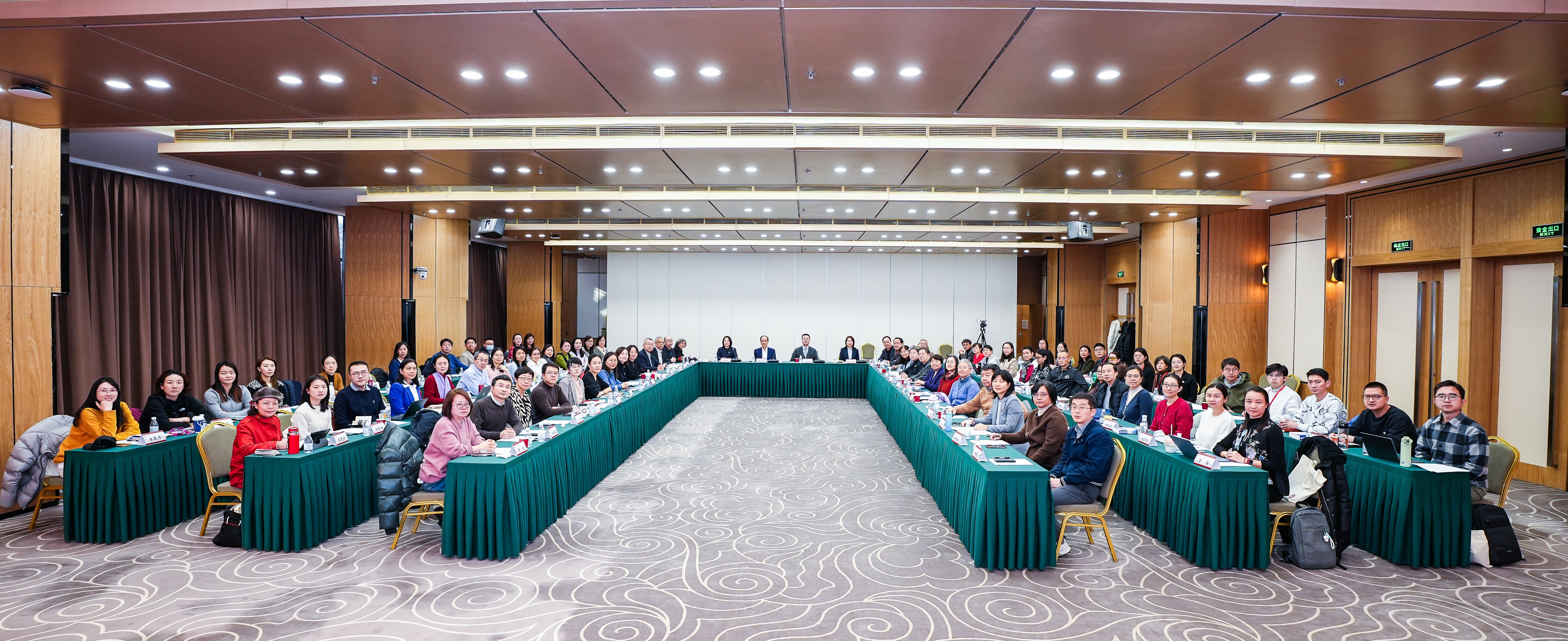
On December 30, 2025, Peking University School of Health Humanities held the Symposium on Integration, Innovation, and Disciplinary Development in Medical Humanities. Nearly one hundred participants attended the event, including Han Qide, Academician of the Chinese Academy of Sciences and former Director of Peking University Health Science Center; Tang Yida, Vice Director of Peking University Health Science Center and Vice President of Peking University Third Hospital; experts and scholars from relevant fields both within and outside the university; heads of relevant administrative departments of the university; and faculty members of the School. The conference focused on the development of the medical humanities discipline and educational practices, gathering expert insights for in-depth research and discussion to embark on a new journey of high-quality development for the School. The meeting was chaired by Gao Jing, Secretary of the School’s Party Committee, while the discussion session was moderated by Guo Liping, Dean of the School.
Leading with Vision, Charting New Courses
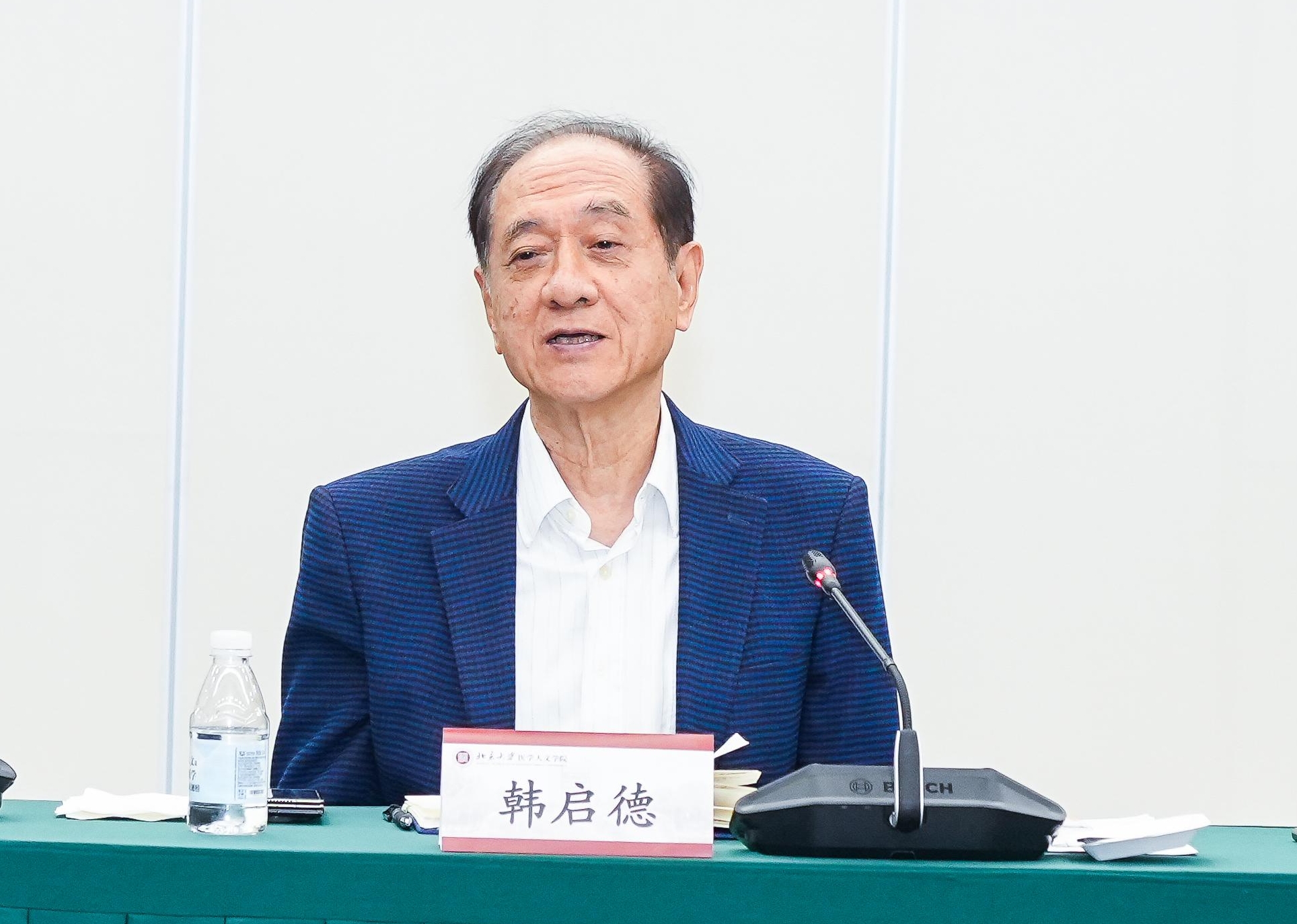
Han Qide emphasized that medicine is a science of humanity, and medicine is inherently humanistic. As one of the earliest schools of its kind established in China, the School of Health Humanities at Peking University must plan its disciplinary development from a higher strategic perspective, clarify its positioning, optimize its pathways, and cultivate distinctive features. He recommended further refining disciplinary development standards, focusing on key areas such as medical sociology, medical history, and medical ethics to build signature disciplines; enhancing curriculum development by “reducing quantity while enhancing quality”; promoting deep integration between medical humanities education and ideological and political courses, embedding ideological and political education throughout the entire medical education cycle; adhering to a talent-first strategy by formulating faculty development plans, recruiting outstanding domestic and international talents, and inviting experts from multiple fields to participate in medical humanities teaching practices; refining the school's evaluation metrics system to advance innovative research in medical linguistics, production of medical humanities documentaries, narrative medicine brand development, and population mental health studies. Han Qide emphasized that the school must unite its efforts to achieve continuous breakthroughs in medical humanities education innovation, disciplinary system refinement, and the dissemination of social values. This will infuse the Healthy China initiative with profound humanistic depth and contribute the wisdom of PKU Medicine and demonstrating its sense of responsibility.
Building Foundations for the System・Cultivating Character and Spirit
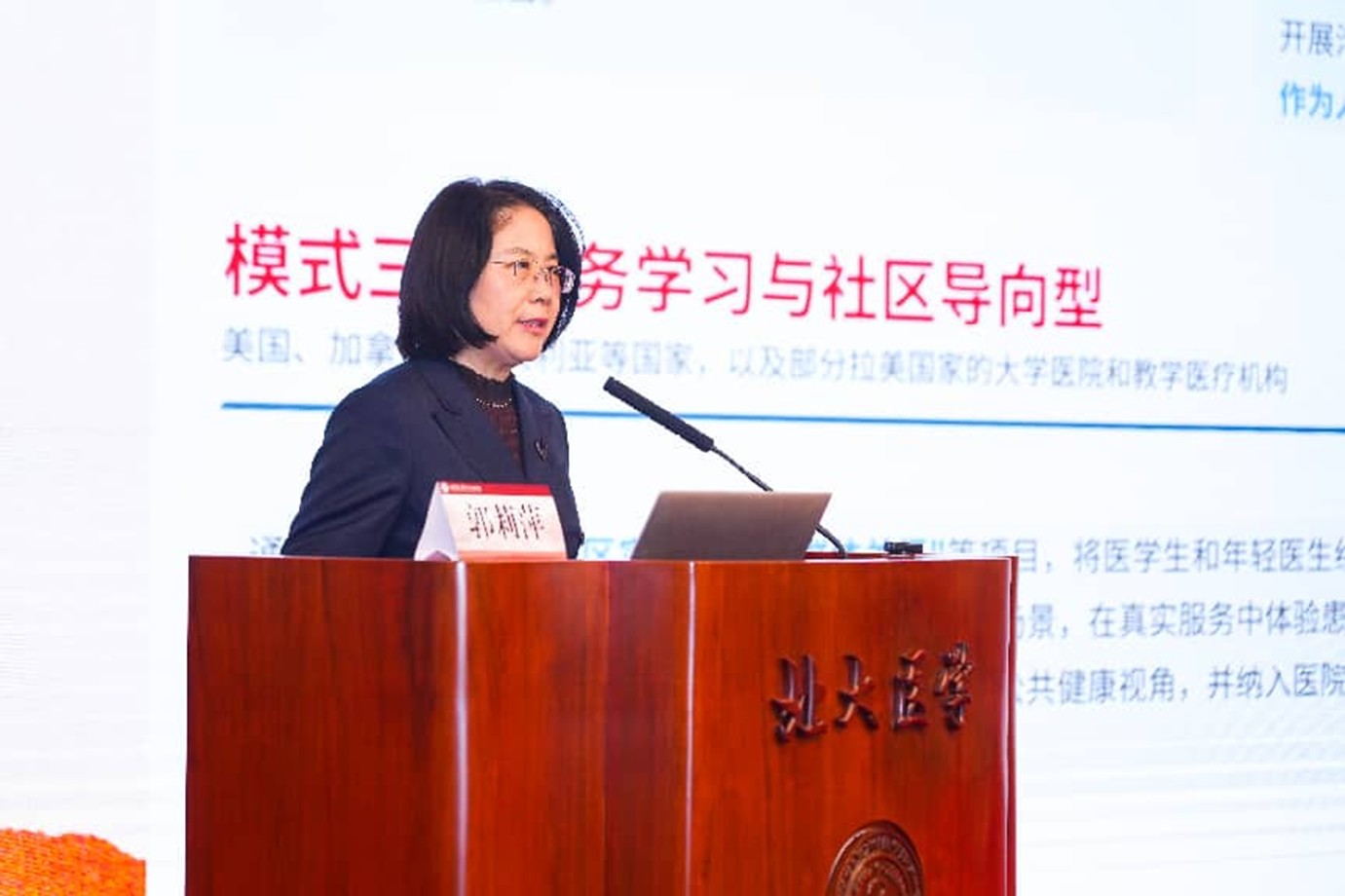
Guo Liping delivered a report titled “Explorations in Constructing the Peking University Medical Humanities Education System.” She introduced relevant policies and challenges, the current status of the school's development, and seven major international education models. She elaborated on establishing the ‘HEAL’ medical humanities education model and the ultimate goal of cultivating “whole-person physicians.”
Experts and scholars in attendance shared their perspectives on the medical humanities education required for Peking University medical students and how to facilitate the implementation of medical humanities education during the clinical stage.
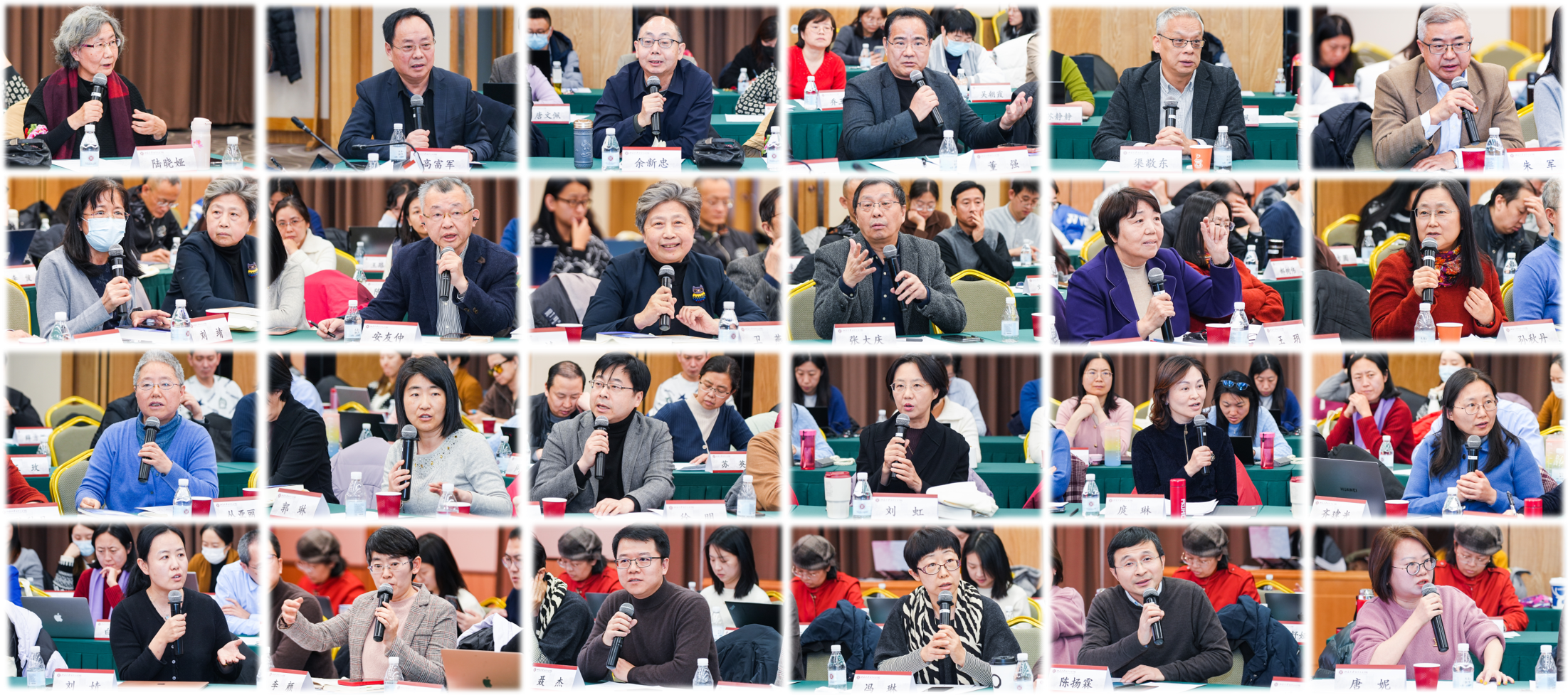
Experts at the conference emphasized that medical humanities education must be grounded in the essence of medical disciplines, connecting with the contemporary context and societal value of disease. It should extend educational coverage to the entire society, popularizing medical humanities concepts, while also focusing on cross-cultural exchange and spiritual cultivation to comprehensively expand the depth and breadth of education. Zhu Jun, former Party Secretary of Peking University Cancer Hospital, Director of Internal Medicine, and Director of Lymphoma Department, advocated leveraging the resource advantages of Peking University's hospital system in cultivating medical humanities literacy while expanding the scope of medical humanities education to encompass the entire society. Wei Yan, Chief Physician of Breast Internal Medicine at Peking University Cancer Hospital, called for enhancing the public awareness of medical humanities concepts. An Youzhong, former Director of Intensive Care Medicine at Peking University People's Hospital, Director of Critical Care Medicine at Peking University Health Science Center, Deputy Medical Director of United Family Healthcare Beijing Region, Director of Critical Care and Inpatient Services, and Chief Expert in Critical Care Medicine, emphasized that medical humanities education should reflect the discipline's unique characteristics and drive societal shifts in existing perceptions of disease. Qu Jingdong, Professor from the Department of Sociology at Peking University, from a sociological perspective, pointed out that medical humanities education should pay attention to the temporal attributes of disease and strengthen realistic reflection. Yu Xinzhong, Dean of the School of History at Nankai University, recommended focusing on core issues like disease, healthcare, and health to advance medical humanities education across society. Gao Fujun, President of Shandong Lunan Eye Hospital and Professor of Ophthalmology at Shandong Medical College, shared insights on medical humanities from his diverse perspectives as physician, hospital administrator, and patient. Dong Qiang, Dean of Yenching Academy at Peking University and Foreign Corresponding Member for Life of the French Academy of Moral and Political Sciences, emphasized the importance of transnational and cross-cultural exchanges, establishing exemplary models, and cultivating the spirit of medical humanities.
Experts at the conference proposed optimizing medical humanities curricula and implementing practical applications by fully leveraging resources from Peking University’s affiliated hospital system. They advocated establishing a tiered and categorized educational framework to enhance educational effectiveness through diverse initiatives. Xu Ming, Executive Vice Dean of the Graduate School of Peking University Health Science Center, suggested advancing medical humanities practice through overseas medical humanities observation programs, integrating into clinical teaching, and optimizing science communication methods. Liu Hong, Director of the Education Department at Peking University Health Science Center, emphasized that clinical rotations and grassroots practice are crucial pathways to enhance the effectiveness of medical humanities education. Professor Wang Yue from the School of Health Humanities suggested integrating medical humanities practice courses with ideological and political practice. Tuo Lin, Deputy Director of the Hospital Management Department at Peking University Health Science Center, recommended merging medical humanities education with medical ethics education to emphasize full-cycle training in humanistic spirit for medical students and practitioners. Qi Jianguang, Director of the Education Department at Peking University First Hospital, recommended further optimizing course organization management and evaluation mechanisms. Liu Jing, Director of the Education Department at Peking University People’s Hospital, proposed coordinating medical humanities with clinical practice teaching. Li Yan, Secretary of the Student General Party Branch and Director of the Student Affairs Office at Peking University Third Hospital, emphasized designing practical course content tailored to student characteristics. Tang Ni, Director of the Education Department at Peking University Sixth Hospital, suggested establishing a tiered humanities education system.
Experts at the conference emphasized that faculty development is the core pillar for strengthening medical humanities education. Efforts should focus on enhancing clinical instructors’ humanistic literacy and teaching capabilities, while actively incorporating interdisciplinary expertise and optimizing supporting teaching measures to solidify the foundation for educational implementation. Liu Jing, former Deputy Party Secretary of Peking University Sixth Hospital and Director of the Child Mental Health Center, believed clinical faculty training directly impacts the effectiveness of medical humanities education. Writer Lu Xiaoya, a pioneer in Life-and-Death Education in China, suggested forming interdisciplinary teams to advance medical humanities education and practice. Zhang Daqing, Professor at the School of Health Humanities, advocated closely integrating the development of medical humanities disciplines with reforms in the medical education evaluation system. Nie Jie, Deputy Director of the Education Department at Peking University School and Hospital of Stomatology, proposed incorporating systematic humanities education into clinical training. Feng Lin, Associate Chief Physician of the Department of Endodontics and Director of the Teaching and Research Office for Humanistic Medicine Practice Skills at Peking University School and Hospital of Stomatology, emphasized that humanistic medicine courses should be top-priority core courses. Chen Yanglin, Deputy Director of the Education Department at Peking University Cancer Hospital, offered suggestions for teaching medical humanities courses.
Empowering with Digital Intelligence・Expanding New Infrastructure
Qi Huiying , Director of the Department of Health Information Management at the School of Health Humanities, delivered a report titled “Digital Humanities and the Development Plan for Humanities Laboratories.” She outlined the current state of digital humanities development both domestically and internationally, as well as the School’s existing initiatives and future plans.
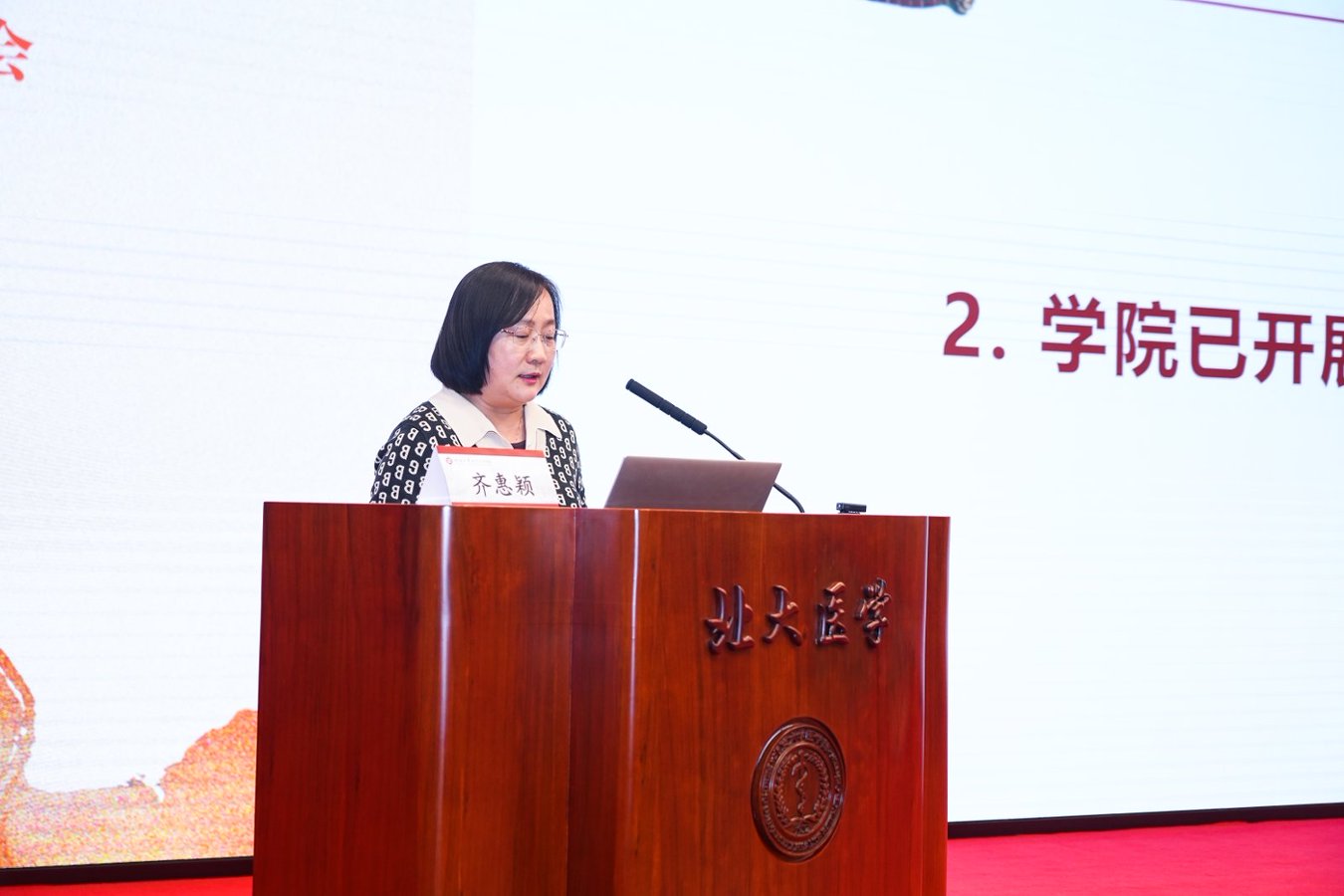
Attending experts and scholars engaged in discussions on advancing digital health humanities and developing a medical humanities data system. They emphasized leveraging Peking University’s disciplinary strengths to establish a digital platform or laboratory with distinctive medical humanities characteristics. They proposed enhancing effectiveness through multiple measures, including precisely defining development goals, clarifying implementation pathways, and strengthening thematic-driven initiatives. Guo Lin, Deputy Director of the Social Science Department at Peking University, emphasized the concept that “digital technology empowers the humanities, while the humanities add value to the digital.” She proposed that the School of Health Humanities serve as an interdisciplinary collaboration platform connecting Peking University’s humanities, medical sciences, and hospitals. Qu Jingdong suggested strengthening strategic planning for digital humanities projects. Yu Xinzhong advocated focusing digital humanities development on specific thematic projects. Dong Qiang stressed the need to genuinely develop health humanities data with Peking University’s medical characteristics. Sun Qiudan, Deputy Director of the Institute of Medical Education at Peking University Health Science Center and Professor at the School of Health Humanities, proposed usingdigitalization of curriculum and teaching as an entry point to build an online interdisciplinary medical humanities case repository.
Integrating Strengths, Nurturing Virtue
Li Bingkui, Director of the Department of Health Politics at the School of Health Humanities, delivered a report titled “Exploration of Pathways to Enhance the Effectiveness of Integrated Education in the School,” introducing the practices and explorations of the School in integrating moral, physical, and aesthetic education.
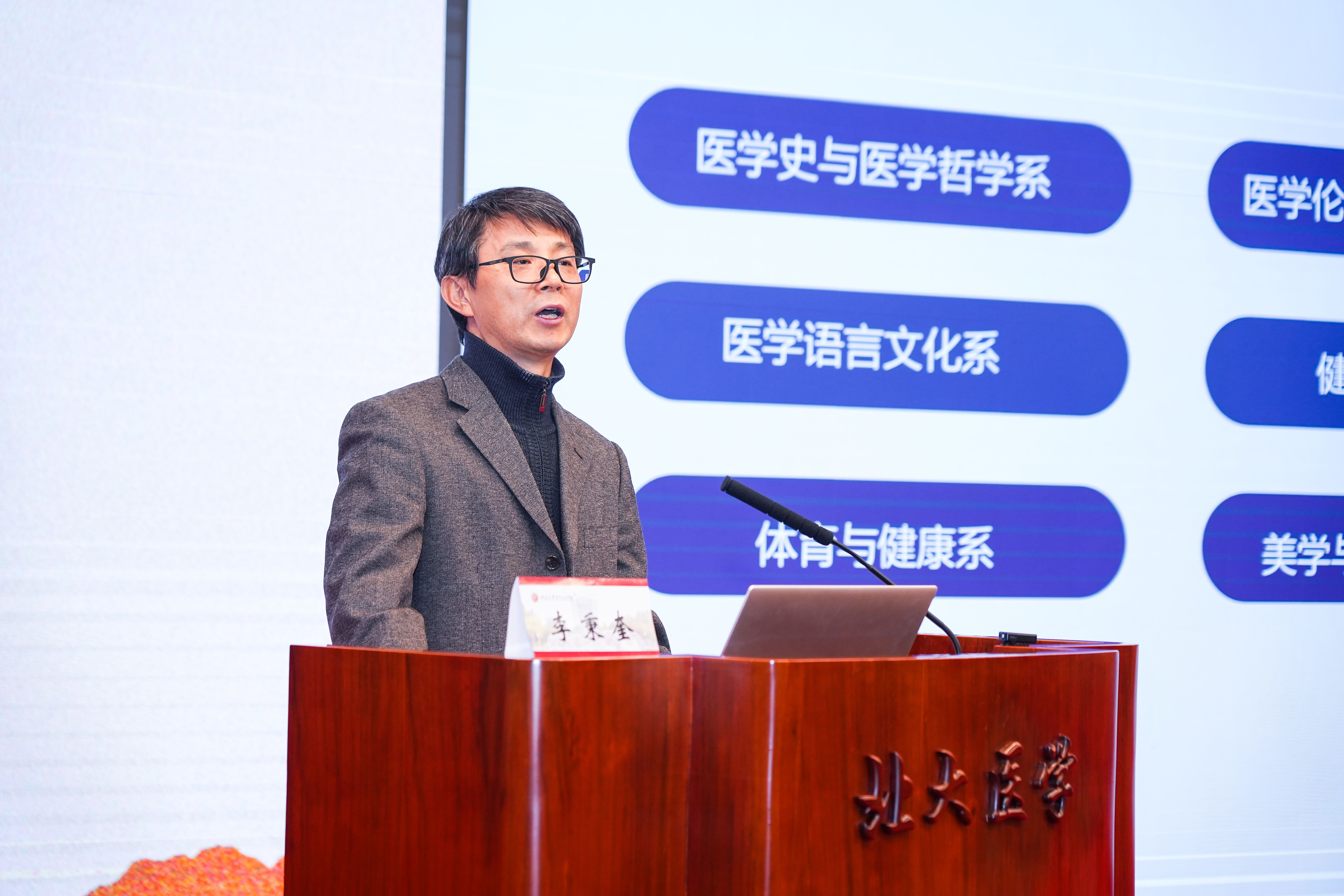
Experts and scholars attending the conference discussed topics such as leveraging the college’s multidisciplinary strengths to build a distinctive case repository for ideological and political education courses with medical characteristics, and enhancing the effectiveness of practical teaching in these courses for medical students. They agreed that efforts should focus on deepening the integration between medical specialties and ideological education, tapping into unique resources through multidisciplinary strengths, and strengthening the development of dual-qualified faculty and interdisciplinary talent cultivation through pathways such as aesthetic education empowerment, cross-departmental collaboration, and institutional innovation. Cong Yali, Professor at the School of Health Humanities, emphasized the need to integrate existing course resources, explore cross-departmental collaboration mechanisms, and enhance the excavation of clinical hospital resources. Yu Xinzhong advocated that medical humanities should prioritize breakthroughs in the aesthetic dimension, stressing the spiritual essence of aesthetic education.
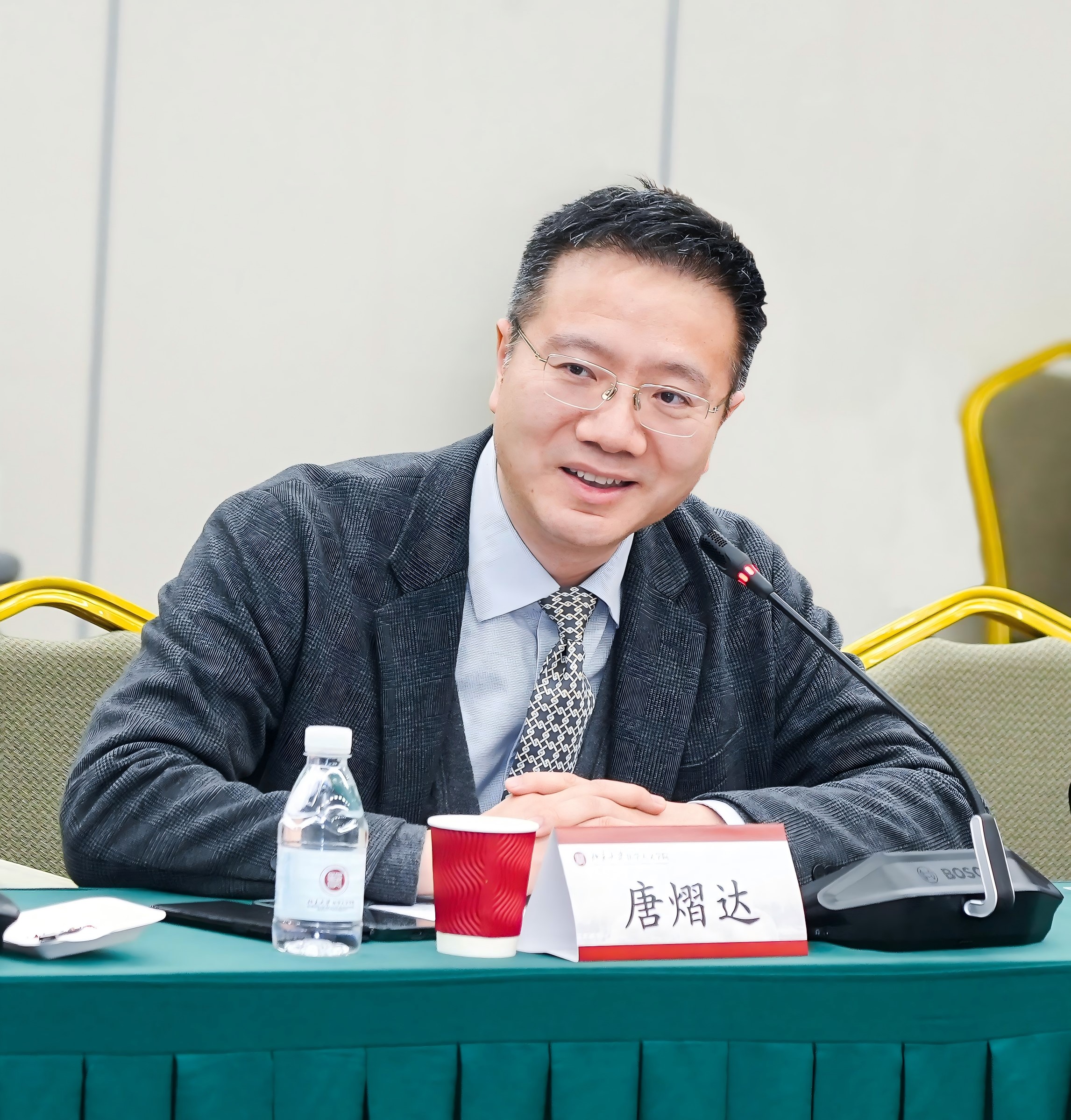
Tang Yida emphasized that the essence of medical education lies not only in imparting scientific knowledge and professional skills, but also in cultivating humanistic character and comprehensive competence. He stressed that medical humanities education must be integrated throughout the entire lifecycle of medical students—from general education and standardized residency training to specialist training and throughout their professional careers. It is imperative to strengthen teaching practices, advance institutional design, and collaborate with affiliated hospitals and teaching hospitals to build a comprehensive training system.
Now is the prime time for action and advancement. This symposium has provided fresh perspectives for advancing the humanities at Peking University Health Science Center, explored new pathways for deepening the integration of medical humanities education with clinical practice, and provided new impetus for cultivating outstanding medical professionals at Peking University Health Science Center—individuals who embody patriotism and social responsibility, possess profound humanistic literacy, and master exceptional medical skills.
