
The 180th Peking University Medical Humanities Forum
Lecture Information:
Time: March 30, 2026 (Monday) 9:00-11:00
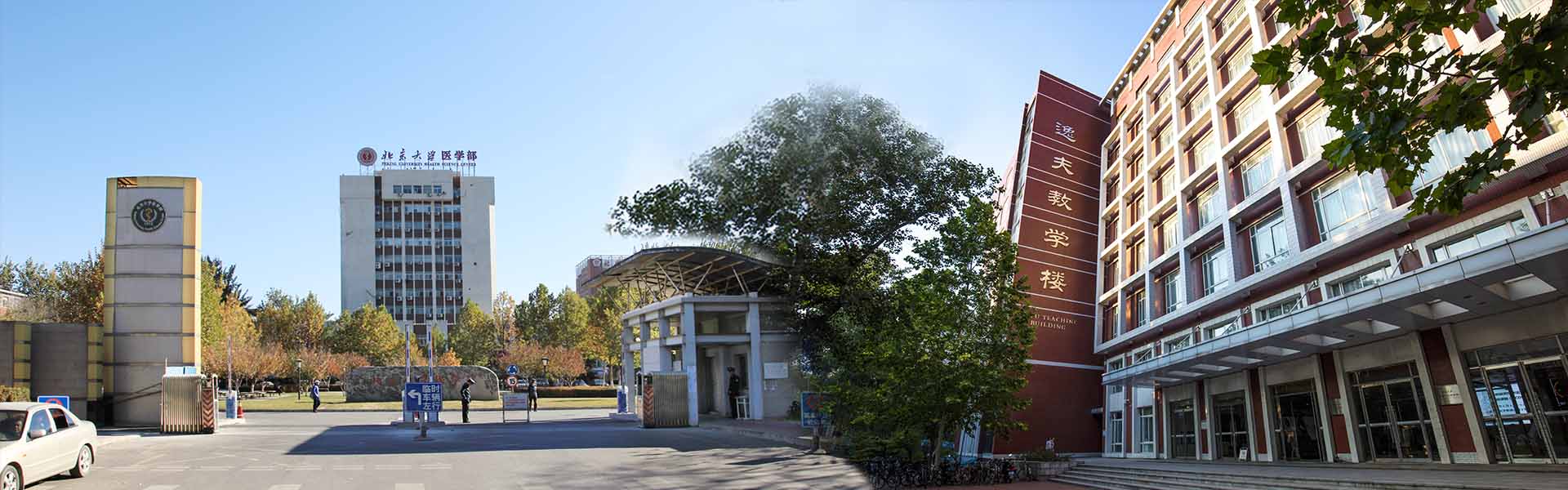
Venue:Room 620, Yifu Teaching Building
Speaker: Teruyuki Kubo(Yokohama College of Commerce, Japan)
Moderator: Su Jingjing (School of Health Humanities, Peking University)
Panelist: Zhang Daqing (School of Health Humanities, Peking University)
Chen Qi(School of Health Humanities, Peking University)
Lecture Title: The Transformation of Utilization Methods of Handwritten Historical Materials and Its Impact on the History of Medicine
Abstract:
What impacts will emerging tools such as DeepSeek exert on historical research, and what potential influences might they bring in the future? Many researchers are presumably deeply concerned about these questions.
Current artificial intelligence consists of models trained through iterative learning on massive linguistic datasets, and is often metaphorically compared to the neural circuits of the human brain. Nevertheless, it possesses capabilities surpassing those of human beings, such as processing vast volumes of data instantaneously. For example, it can sometimes achieve high recognition accuracy when handling handwritten historical materials.
This lecture will take historical materials from Japan's Edo period as examples to demonstrate the extent of its recognition capability. Furthermore, the judgments generated by artificial intelligence are not always logically consistent or reasonable. We ought to employ such AI technologies on the premise of understanding the fundamental differences between existing AI and the human brain.
Biography:
Teruyuki Kubo holds a PhD from the Chinese Academy of Sciences (CAS). He is a Distinguished Professor at the China Institute for History of Medicine and Medical Literature, China Academy of Chinese Medical Sciences (CACMS), and currently serves as a Professor at Yokohama College of Commerce, Japan. He concurrently acts as a Visiting Researcher at the Compendium of Materia Medica Research Institute, School of Chinese Medicine, Beijing University of Chinese Medicine (BUCM), and a Special Researcher at the Institute of Japanese Religion, Waseda University.
He has co-edited the Japanese kanji dictionary Gakken New Chinese-Japanese Dictionary (Japanese Edition) and Dictionary of Chinese Character Etymology for Plants. His publications include materia medica studies such as the papers A Re-examination of the Identity and Nomenclature of the Peony and A History of Ejiao in China (in English), as well as works on textual criticism of documents including A Textual Research on the Edition Circulation of Zuo Gui’s Hundred Rivers and Seas of Learning. His major monograph is Tracing Plant Monographs of the Song Dynasty: Compiling Records for Flowers, and his translated work includes An Introduction to Materia Medica.
